Builder, property manager or facility manager? Since 1988 we’ve assessed water-damaged buildings across Sydney, NSW and interstate, including occupied and commercial sites. Same number: 1300 888 338.
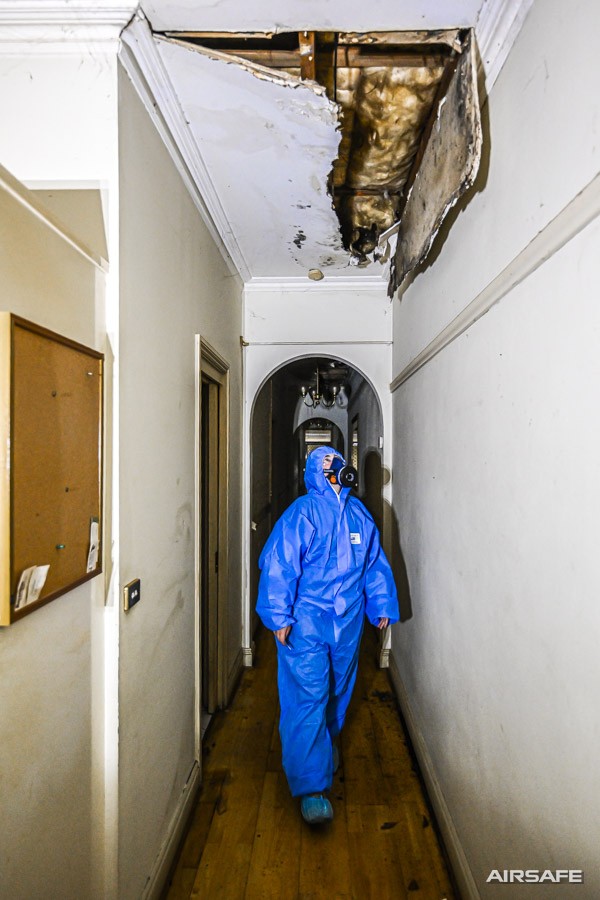
The first week matters
After water damage, the clock runs on two things at once: mould, and evidence.
On the mould side, wet building materials – plasterboard, carpet, insulation, timber – can support mould growth within days, and a dry-looking surface doesn’t mean the wall cavity behind it is dry. On the evidence side, if there’s an insurance claim coming, what you can document in the first week is worth far more than what you remember a month later.
So, in the first few days:
- Stop the water if you can, and make the place safe.
- Photograph everything before anyone starts stripping out: the water line, the affected rooms, the damaged materials.
- Don’t bleach, spray or paint over mould before it’s been assessed. Treating the surface can hide the extent of the problem and make the source harder to find.
- If materials have to come out for safety reasons, photograph them first.
Does every water event need a mould inspection?
No. A small leak of clean water, found quickly and dried properly, usually doesn’t need us.
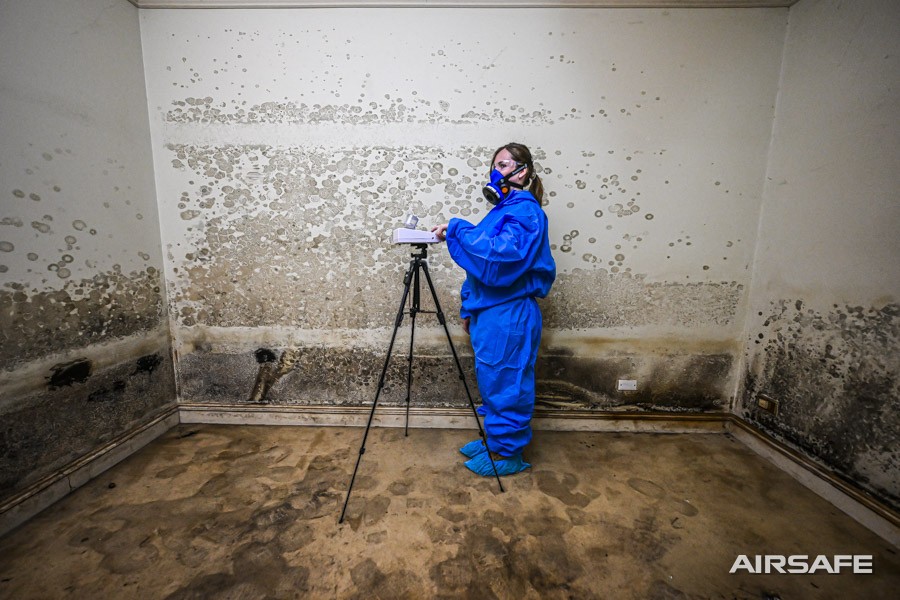
Call us when the water sat for more than a day or two, when it was storm water or flood water rather than clean water, when wall cavities, subfloors or ceiling spaces got wet, when a musty smell hangs around after everything looks dry, or when someone in the building isn’t well. And call us when there’s an insurance claim and you need someone to document what actually happened.
A report your insurer can work from
An insurance claim moves on documentation. Our Mould Inspection Report sets out what we found and where, moisture readings through the affected areas, what the laboratory analysis showed, photographs throughout, and a scope of works a remediation contractor can quote from. Laboratory analysis is carried out by a separately NATA accredited laboratory.
We don’t do the drying or the mould removal, and we don’t mark up anyone who does. The report reads the same whichever way the claim goes, and that’s what makes it useful.
After the cleanup
Once remediation is done, we can come back and verify it with a clearance inspection: re-sampling the treated areas and confirming the moisture problem is actually resolved, not just painted over. For our full inspection and clearance process, see our mould testing and inspections page.
How quickly can we get there?
When a building is wet, waiting isn’t much help. We can normally have an occupational hygienist on site the next day, and because we own our sampling equipment rather than hiring it, there’s no waiting on gear. Call 1300 888 338 and we’ll tell you when we can be there.
4.9 stars from over 640 Google reviews and counting, from homeowners, landlords, property managers and businesses across Australia.
“We had an urgent concern regarding an unpleasant odour following some water damage. Daphne came out the next day, did a thorough inspection and sent samples off. Less than a week later we had a clean bill of health which avoided an unnecessary expensive cleanup. Thanks for the speedy and detailed turnaround.”– John White, April 2025
“Provided a comprehensive and detailed report, with recommendations, of our mould issues at home. Looking forward to seeing it being used via a remediation service.”– Sertan Saral, August 2024
FAQs
-
Once the building is safe and the water has stopped, sooner is better – ideally before major strip-out, so the evidence is still in place. But don’t delay making a dangerous building safe for our sake. If materials have to come out urgently, photograph them and call us. We can still assess what’s left, and what’s hidden.
-
We can’t speak for every insurer, but what we provide is what a claim runs on: documented moisture readings, laboratory results, photographs and a clear scope of works, prepared by an assessor who doesn’t sell the remediation. Insurers, like tribunals, take independent evidence seriously.
-
No. That smell is often the reason to test. Hidden mould behind walls, under floors or above ceilings can keep growing long after the visible surfaces have dried. That’s what an inspection is for: finding the source, not just what you can see.
-
No. We inspect, test and work out the scope of what needs fixing. A remediation contractor you choose carries out the work, and once it’s done we can verify it with a clearance inspection. Because we don’t do the remediation, there’s no conflict of interest in our report.
Contact us after water damage today
Water damage doesn’t improve with age, and neither does the evidence. Call Airsafe on 1300 888 338, or get a fast quote.
Last updated: August 2026