PAHs and their health effects
Polycyclic aromatic hydrocarbons (PAHs) are a group of organic compounds released into the air when organic material is burnt without enough oxygen for complete combustion. Well-known PAHs include naphthalene, benzo(a)pyrene, benzo(a)anthracene and dibenzo(a,h)anthracene, and several are carcinogenic.
PAHs are typically emitted from:
- wood-burning heaters
- agricultural waste burning
- motor vehicle exhaust (including diesel exhaust)
- cigarette smoke
- asphalt road and roofing operations.
Because diesel particulate carries PAHs, workplaces with significant diesel exhaust often have a PAH exposure question to answer as well.
How Airsafe can help
Safe Work Australia doesn’t set an overall workplace exposure standard for PAHs – only standards for coal tar pitch volatiles (which include benzo(a)pyrene and benzo(a)anthracene, among others) and for naphthalene. (As with all airborne contaminants, these workplace exposure standards become workplace exposure limits from December 2026.)
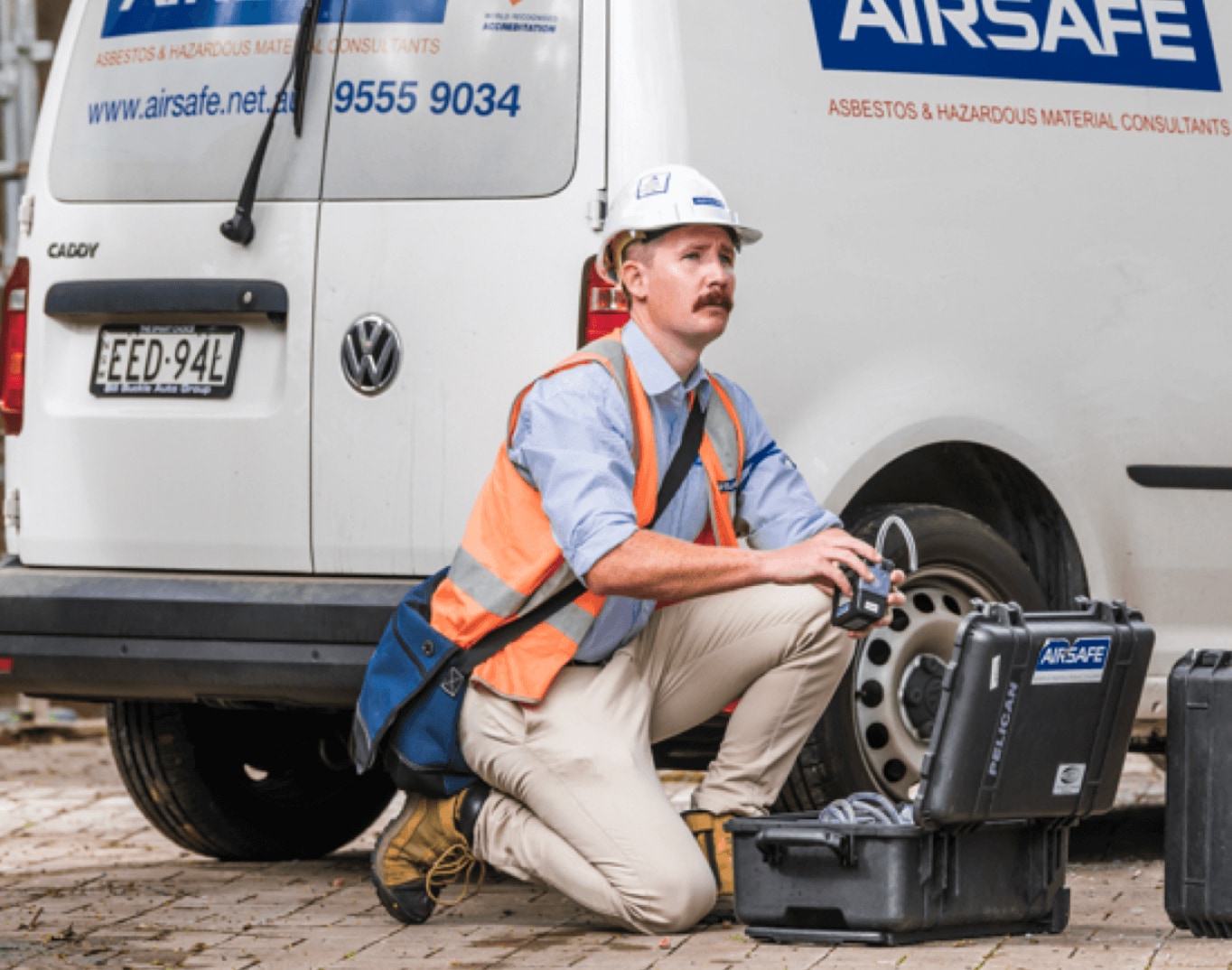
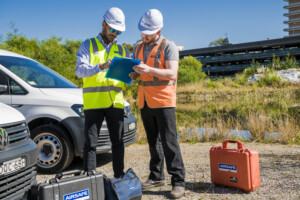
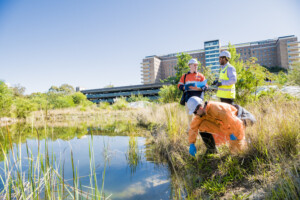
Airsafe monitors air quality against these standards – but with PAHs, the standards alone aren’t enough to guarantee worker safety, so it’s particularly important to put controls in place that minimise exposure. As our name implies, air quality monitoring is one of our core activities: Airsafe is accredited by NATA for volume measurement, so we collect the samples on site using NATA-accredited equipment, then send them to a dedicated NATA-accredited analysis laboratory. All our test reports carry metrological traceability.
We don’t hire sampling pumps – we own them, and maintain them in-house. A monitoring program can start when your job needs it, not when hire equipment becomes available.
Once we know where you stand, our occupational hygiene team can develop a plan to manage PAH exposure risk, which might include:
- improved ventilation
- personal protective equipment
- training and facilities to support safer work practices
- shift limits to control exposure time.
Airsafe also monitors related airborne contaminants, including dust and welding fume.
4.9 stars from over 640 Google reviews and counting, from builders, contractors and industrial clients across Australia.
“AIRSAFE has become our go-to company for all air monitoring needs. Working for a large paint company, we’ve found their service not only exceptional but also backed by valuable advice. They are consistently reliable, flexible, and a pleasure to work with. These qualities made it an easy decision to choose them as our preferred supplier.”– Nik Pappas, November 2025
“We recently appointed Airsafe to undertake air monitoring and reporting at a brownfield development site during the demolition stage. Their proactive, professional and cost and time-efficient approach and implementation were excellent.”– Carl O. Peterson, December 2021
“I use Airsafe on a regular basis for commercial construction. Liam Matthews and the Airsafe team always get the job done professionally, safely, and in a prompt manner as required. If only I could give more stars.”– Jordan Kissane, September 2021
Frequently asked questions
-
PAHs form whenever organic material is burnt without enough oxygen for complete combustion. Common workplace sources are wood-burning heaters, agricultural waste burning, motor vehicle and diesel exhaust, cigarette smoke, and asphalt road and roofing work. Several PAHs are carcinogenic, which is why exposure is worth measuring and controlling.
-
Not a single overall one. Safe Work Australia sets standards for coal tar pitch volatiles (which include benzo(a)pyrene and benzo(a)anthracene) and for naphthalene, rather than for PAHs as a whole (and these become workplace exposure limits from December 2026). We monitor against the relevant standards – but because they don’t cover every PAH, controlling exposure matters as much as measuring it. Call us on 1300 888 338 to talk it through.
-
We collect air samples on site under our NATA accreditation for volume measurement, then have them analysed by a dedicated NATA-accredited laboratory, so the results carry metrological traceability. You get a clear report on what was found, how it compares against the relevant standards, and what controls we’d recommend.
Contact us about PAH monitoring today
If your work generates polycyclic aromatic hydrocarbons, monitoring tells you where your workers stand and what to do about it.
We work across Sydney, NSW and Australia, with travel built into our quotes for sites further afield.
Contact us for a fast quote on PAH monitoring, or call Airsafe on 1300 888 338.
Last updated: July 2026