What heat stress does
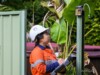
Working in intense heat raises a person’s core body temperature, and at worst can lead to heat stroke and death. Well before that point, heat stress and fatigue impair thinking and reaction times, which raises the risk of injury on site – through errors, dropped tools or a stumble at the wrong moment. Because of our climate, Australian workers are particularly exposed.
Heat isn’t only an outdoor problem. Foundries, kitchens, boiler and plant rooms, laundries and any work near furnaces or hot processes can put workers under heat load year-round.
How Airsafe can help
There’s no single workplace exposure standard for heat the way there is for an airborne contaminant – heat stress is managed under your general duty to provide a safe workplace. Assessing it well takes more than a thermometer: it depends on air temperature, humidity, air movement, radiant heat, how hard the work is, and what people are wearing.
Airsafe’s occupational hygienists assess the thermal environment using recognised heat-stress indices, work out where the risk sits, and recommend practical controls. Our recommendations follow the standard hierarchy of controls – so the preference is always to reduce the heat load at its source (shade, ventilation, cooling, rescheduling hot work) before relying on work-rest cycles, hydration regimes and protective measures.
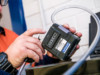
We own our heat stress assessment instruments outright and calibrate them in-house, so an assessment can happen while the heat is actually on – not after hire gear turns up.
4.9 stars from over 640 Google reviews and counting, from builders, contractors and industrial clients across Australia.
“We recently appointed Airsafe to undertake air monitoring and reporting at a brownfield development site during the demolition stage. Their proactive, professional and cost and time-efficient approach and implementation were excellent.”– Carl O. Peterson, December 2021
“I use Airsafe on a regular basis for commercial construction. Liam Matthews and the Airsafe team always get the job done professionally, safely, and in a prompt manner as required. If only I could give more stars.”– Jordan Kissane, September 2021
“AIRSAFE has become our go-to company for all air monitoring needs. Working for a large paint company, we’ve found their service not only exceptional but also backed by valuable advice. They are consistently reliable, flexible, and a pleasure to work with. These qualities made it an easy decision to choose them as our preferred supplier.”– Nik Pappas, November 2025
FAQs
-
Anyone working in the heat – outdoor workers in summer (construction, civil, grounds, roofing), and indoor workers near hot processes such as foundries, kitchens, laundries and plant rooms. Risk goes up with heavy physical work, high humidity, heavy or non-breathable clothing and PPE, and for workers who aren’t acclimatised.
-
Not a single number like an airborne exposure standard. Heat stress is managed under your general work health and safety duty to provide a safe workplace, which means assessing the risk and controlling it. Assessment uses recognised heat-stress indices that account for temperature, humidity, air movement, radiant heat, workload and clothing. Call us on 1300 888 338 if you’d like that done properly.
-
We assess the thermal environment using recognised heat-stress indices, factoring in the work being done and what people are wearing, then report on where the risk sits and recommend practical controls – following the hierarchy of controls, so reducing the heat load at its source comes before work-rest cycles and protective measures.
Contact us about heat stress today
If your workers are exposed to heat, an assessment tells you where the real risk is and what to do about it.
We work across Sydney, NSW and Australia, with travel built into our quotes for sites further afield.
Contact us for a fast quote on a heat-stress assessment, or call Airsafe on 1300 888 338.
Last updated: May 2026