Black mould has a fearsome reputation, and some of it is deserved. The only way to know what you’re actually dealing with is laboratory analysis – and that’s where we start.
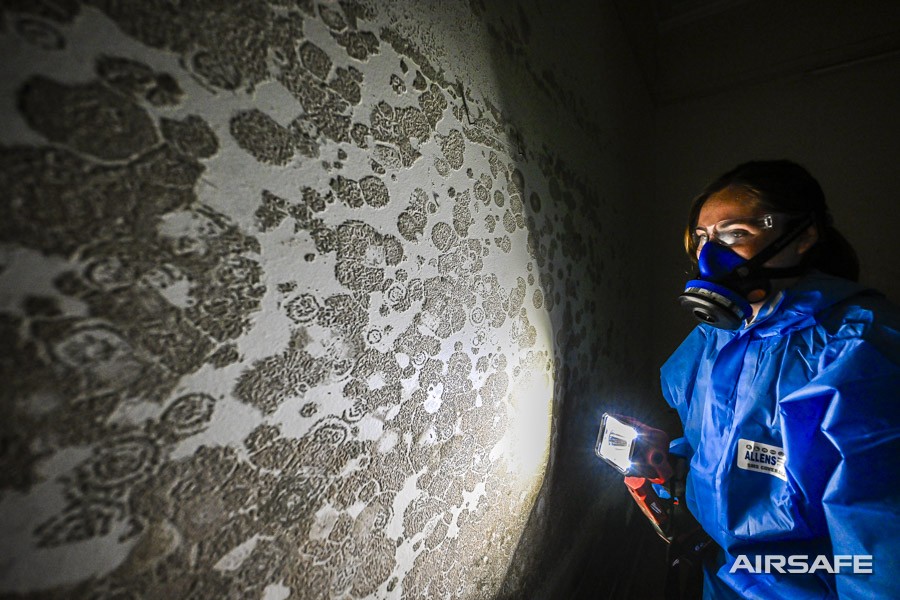
What is black mould?
Stachybotrys chartarum, also known as black mould or toxic black mould, is a type of mould often found in damp or water-damaged buildings.
To grow, black mould needs very high moisture levels. These can be the result of flooding, leaking roofs, plumbing issues, or poor building maintenance. Black mould typically grows in materials like timber, plasterboard, wood framing, composite wood flooring, carpets, and carpet underlay.
It’s classed as a toxic mould: it produces poisonous chemicals called mycotoxins that can lead to serious illness.
How do you know if it’s black mould?
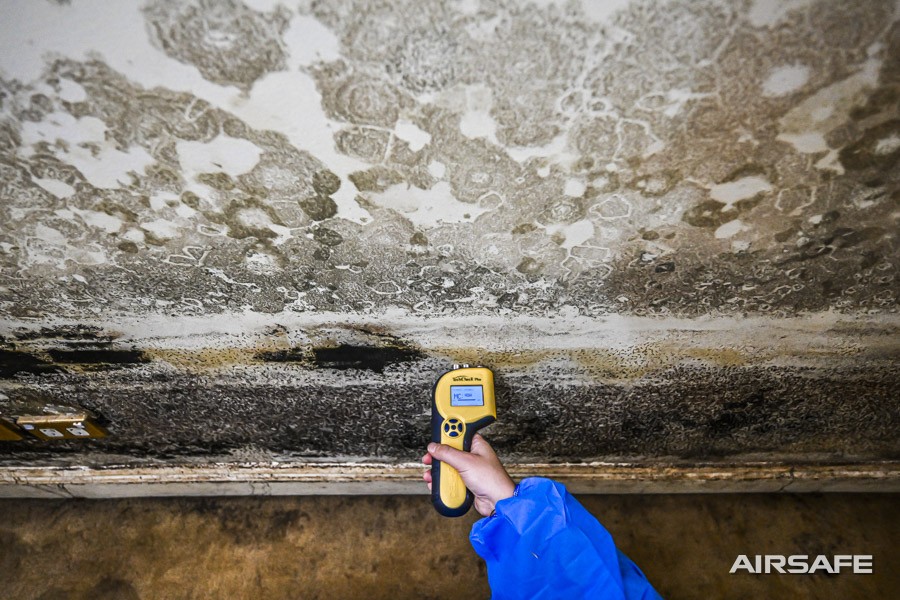
Black mould has a mildewy or musty smell. True to its name, it’s distinctively black, whereas other mould species that grow in the house may be pink, grey, white or brown.
But colour alone can’t confirm the species. Plenty of moulds look black on a wall, and no one can identify the species by eye – only laboratory analysis can tell you whether what you’ve found is Stachybotrys chartarum or something less dangerous. That’s why we test before anyone starts pulling things apart.
Black mould and your health
A number of symptoms can come from exposure to black mould, including:
- throat irritation
- eye irritation
- nasal and sinus congestion
- sneezing
- cough
- difficulty breathing
- chest tightness
- skin irritation.
Exposure to black mould may also cause heightened sensitivity, depending on the time and nature of exposure. Black mould spores and associated toxins mainly cause harm via inhalation, ingestion, and contact. The biggest health risks come from unusually high quantities and prolonged exposure.
Toxic mould can be invisible and airborne. If anyone in your household or workplace suffers from asthma, a compromised immune system, breathing difficulties, or allergies, they are at risk of serious or fatal health problems if they are exposed to black mould over time.
At Airsafe, we know the risks of toxic mould
An example from Airsafe’s work shows what can happen if mould is left to grow.
One of our senior occupational hygienists inspected a house in Sydney’s affluent eastern suburbs to investigate a serious mould issue. An unfixable broken water pipe under the house was causing high levels of moisture around the walls and floor surfaces. This was providing fertile ground for mould to grow, even though no water leaks were ever identified inside the house.
An occupant of the house had been experiencing allergies and skin conditions. She eventually had to leave the house, and sadly has now been diagnosed with aspergillosis, a serious illness associated with the mould in her house.
Mould left to grow doesn’t stay a cleaning problem. If you suspect black mould in your home or workplace, the time to act is now.
What to do if you find black mould
Don’t disturb it. Scrubbing, spraying, bleaching or pulling out materials sends spores into the air, and treating the surface before we test can hide the extent of the problem and make the source harder to find. Photograph it, leave it alone, and call us.
A small patch of surface mould in a well-ventilated spot can often be cleaned up safely yourself – but with suspected black mould, err on the side of testing first.
If you have any concerns about black mould, the first step is an assessment. We inspect the indoor environment, sample the air and surfaces, and send selected samples to an independent laboratory that holds its own NATA accreditation for this analysis, so you know exactly which species you’re dealing with. For the full detail of how we test for mould and what’s in the report, see our mould testing and inspections page.
What happens if it is black mould?
If laboratory analysis confirms black mould, our report sets out exactly what needs to be done to fix it – and we don’t do the remediation ourselves. A remediation contractor you choose carries out the work from the scope in our report, so there’s no conflict of interest in what we recommend.
What the work involves depends on how far the mould has spread. Porous items that are beyond saving – mattresses, carpet, plasterboard that has absorbed contaminated water – need disposal. Once the source of moisture has been found and stopped, the affected areas need drying, without disturbing the mould spores and dust. Surfaces need cleaning with a damp wipe or a HEPA vacuum, and if spores have reached the air ducts and vents, those need cleaning too, or they’ll keep circulating around the building.
Once the contractor has finished, we come back, inspect, and re-sample the air and surfaces. If the work is up to standard, we issue a Clearance Certificate. See our mould clearance inspections page for how that works.
4.9 stars from over 640 Google reviews and counting, from homeowners, tenants, landlords and employers across Australia.
“We had an urgent concern regarding an unpleasant odour following some water damage. Daphne came out the next day, did a thorough inspection and sent samples off. Less than a week later we had a clean bill of health which avoided an unnecessary expensive cleanup. Thanks for the speedy and detailed turnaround.”– John White, April 2025
“I engaged John from Airsafe to complete some testing for the presence of mould and moisture in a caravan for client. John’s communication and willingness to help was outstanding. His report was clear and concise, detailing all aspects required. I would highly recommend John and his team for any professionaly testing required.”– Kevin Gribble, October 2025
“I found this company to have integrity & professionalism. They stand by their work which is accurate & Thorough. They are also very approachable & service oriented. Good work”– josephine charlesworth, December 2021
FAQs
-
It can be. Stachybotrys chartarum is a toxic mould, producing mycotoxins that can lead to serious illness, and the biggest health risks come from unusually high quantities and prolonged exposure. People with asthma, allergies, breathing difficulties or a compromised immune system are most at risk. But something black growing on a wall isn’t automatically Stachybotrys – many mould species look black, and only laboratory analysis can confirm what it is. Test first, then act on what the test says.
-
A small patch of surface mould in a well-ventilated spot can often be cleaned up safely yourself. With suspected black mould, though, err on the side of testing first: scrubbing or spraying a large area of toxic mould sends spores into the air, and treating the surface before testing can hide the extent of the problem. If the mould keeps coming back, covers a large area, or someone in the building is unwell, call us before anyone touches it.
-
We inspect the indoor environment for the moisture that’s feeding the mould, then sample the air – comparing indoor and outdoor spore concentrations – and the surfaces where mould is visible or suspected. Selected samples go to a laboratory that holds its own NATA accreditation, which identifies the species present. The report tells you whether it’s Stachybotrys chartarum, where the moisture is coming from, and what needs to be done about it.
-
Not necessarily. It depends on how far the mould has spread, where it is, and who’s in the building – occupants with asthma, allergies or a compromised immune system are at greater risk from prolonged exposure. Our report sets out the extent of the problem and what needs doing, and we’ll tell you plainly what the situation calls for. Call us on 1300 888 338 if you’re worried in the meantime.
Concerned about black mould? Call Airsafe today
Black mould rewards early action. Get Airsafe involved, sooner rather than later: get in touch with the experts on 1300 888 338, or request a Fast Quote.
Last updated: August 2026