Where is asbestos in Sydney homes?
If you live in Sydney and your house was built prior to 1990, there is a good chance that it will contain some form of asbestos material or product, unless the potentially threatening materials have already been removed. Before you conduct any renovations, maintenance work or repairs on your home, it’s important to identify where asbestos is likely to be lurking. If you are aware of the danger zones, you can take proper precautions before starting any work around your home.
Common locations for asbestos in Sydney homes include:
The kitchen
- Backing of vinyl floor tiles
- Underlay sheeting for ceramic tiles
- Hot water insulation set into walls
Living areas
- Loose asbestos in ceiling cavities
- Sheeting in walls
- Heating flues
The bathroom & laundry
- Backing to wall tiles
- Hot water insulation set into walls
- Sheet walls
Exterior walls
- Electricity meter box lining
- Wall cladding
- Imitation brick cladding
- Window rope and putty
The roof
- Downpipes
- Eaves
- Guttering
- Loose roof insulation
- Rainwater heads
- Ridge tiles
- Roof sheeting
Where is asbestos outside Sydney homes?
When it comes to identifying asbestos in your Sydney home, it’s important not to overlook your backyard or your front garden. Asbestos is not only a threat within the confinements of your home’s four walls, it can also be found outside, where you’re likely to be entertaining guests or letting the kids play.
Common locations for asbestos surrounding your Sydney home include:
- Asbestos in soil
- Cladding and imitation brick
- Fencing
- Kennels
- Sheds
- Garages
- Loose asbestos cladding
How old is your house?
The age of your house is the best first clue about whether asbestos is likely to be present:
- Built before the mid-1980s: highly likely to contain asbestos products
- Built between the mid-1980s and 1990: likely to contain asbestos products
- Built after 1990: unlikely to contain asbestos products
Asbestos cement materials were phased out of Australian building products during the 1980s, and the use of asbestos was fully banned in Australia from the end of 2003. But age is only a guide – the only way to be sure about any individual material is to have it tested.
Can you tell if something is asbestos by looking at it?
Unfortunately, no. It is impossible to identify the presence of asbestos by sight or from a verbal description. Asbestos was used in thousands of building products, many of which look identical to their asbestos-free equivalents. Only scientific testing of a sample of a material by an accredited National Association of Testing Authorities (NATA) asbestos testing laboratory can confirm the presence of asbestos.
Found something suspicious? Don’t panic
Left undisturbed, non-friable asbestos generally does not pose a health risk. The good news is that asbestos cement materials are generally not dangerous unless the material is broken, deteriorated or disturbed. Just because your home contains asbestos, that doesn’t mean you need to panic.
The danger comes when asbestos-containing materials are cut, drilled, sanded, broken or removed – that’s when fibres can be released into the air and inhaled. That’s why it matters to know where asbestos is likely to be before you renovate, repair or maintain your home.
There are two situations in which you need to take action about asbestos:
- You are planning to renovate or demolish your house, and your local council requires an asbestos survey. As part of your Development Application (DA) documentation, your council may require an asbestos inspection before granting you a Construction Certificate.
- You have found something in your home that you think might be loose or crumbly asbestos.
What to do if you think you’ve found asbestos
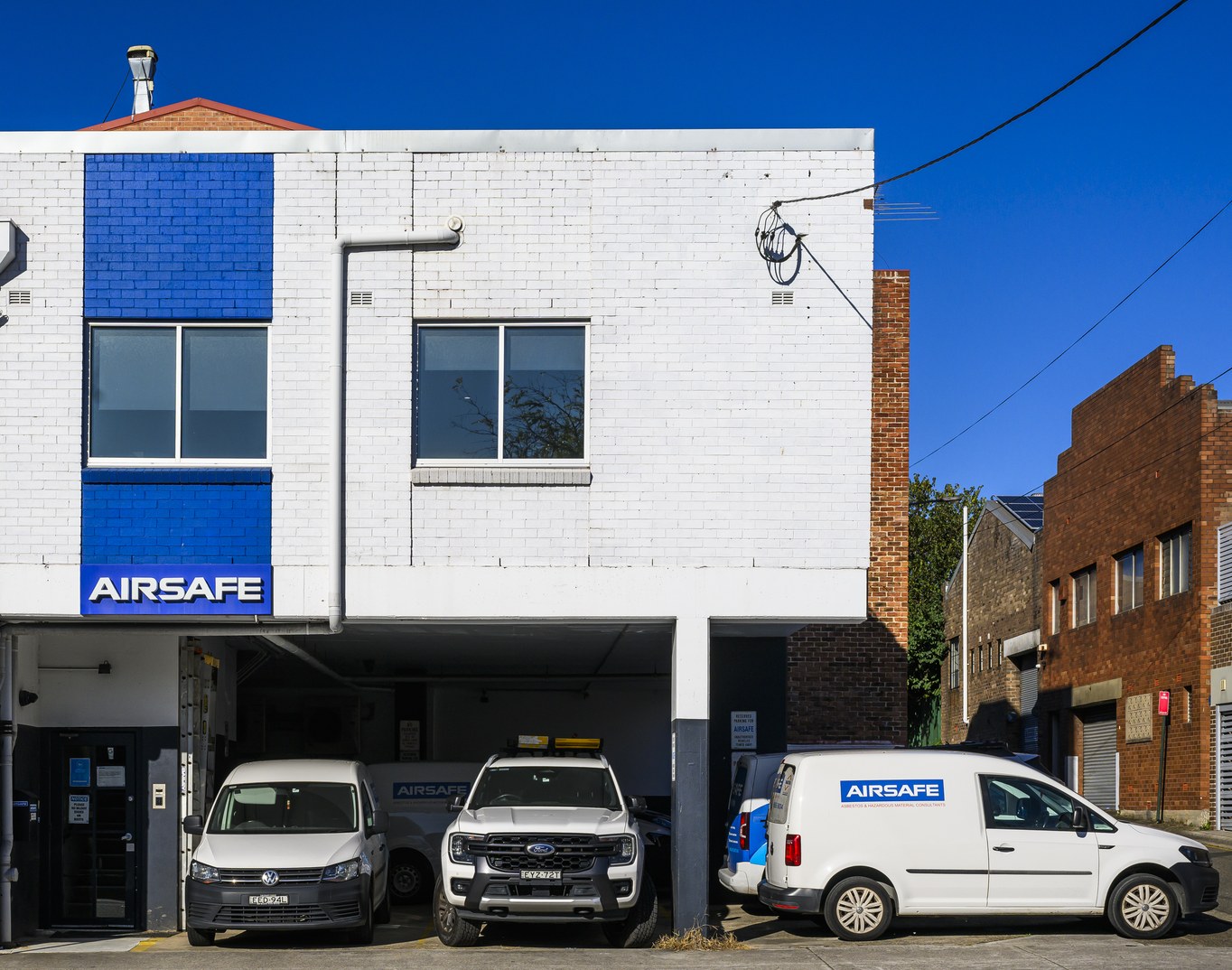
Think you may have found asbestos? Airsafe provides asbestos testing for Sydney houses in our NATA-accredited laboratory. Just follow the instructions to collect a sample and we’ll give you a quick, definitive answer. You can post your sample from anywhere in Australia, or drop it off at our Beaconsfield laboratory.
If you’d rather not take the sample yourself, or you’re dealing with something loose or crumbly, call us on 1300 888 338. We can send a Licensed Asbestos Assessor to inspect your home, take samples safely, and talk you through your options.
Rapid Response
Get a Fast Quote | Call 1300 888 338
When time matters, experience counts.
Since 1988, Airsafe has provided fast, expert support for identifying hazardous materials, investigating contaminated sites, and testing indoor air quality. We deliver clear results and practical advice so you can act with confidence.
Your health and safety are always our highest priority.
What our clients say
4.9 stars from over 640 Google reviews, from homeowners and renovators across Sydney and Australia.
“Fantastic service. I’ve moved into a rural property and so hard to get services. But I found this lab and they have instructions on how to safely send samples of any material you are concerned is asbestos. The samples were processed rapidly and the results available immediately after I paid the invoice. Now I can change cupboards in my kitchen without being worried and get the proper people in to remove the asbestos that is present. Thanks for an awesome service.”
Karen O’Brien, February 2025, 5 stars
“Very impressed with their service. In renovating my house a number of potential asbestos containing materials were discovered with contractors due the next day. Airsafe responded quickly to emails and provided me with an option to drop off samples of the materials to their offices. Upon arrival there was ample parking on-site, reception was friendly and helpful. Results delivered ahead of time the next day. Great experience- I will use them again.”
Paul Flemons, October 2024, 5 stars
“I first contacted Airsafe as I was needing a full asbestos report for a property built in the early 80’s. From the onset, the team were informative and quick to respond to my queries and the report came back within a couple of days of the on-site testing being completed. Luckily there were no signs of Abestos but a week later, after removing some plasterboard from the property, we uncovered a different type of cement board that was a little suspicious.”
Lauren Tess, February 2022, 5 stars
Frequently asked questions
-
Start with the age of your house. If it was built before the mid-1980s, it’s highly likely to contain asbestos products; between the mid-1980s and 1990, likely; after 1990, unlikely. Then look at the common locations listed on this page – vinyl floor tile backing, wall and eave sheeting, roofing, fencing, sheds. But age and location are only a guide: the only way to be sure about any individual material is to have it tested.
-
No. It is impossible to identify the presence of asbestos by sight or from a verbal description. Only scientific testing of a sample by an accredited NATA asbestos testing laboratory can confirm the presence of asbestos.
-
Don’t disturb the material, and keep people away from it if it’s loose or crumbly. Then get a definitive answer: follow the instructions on our Asbestos Sample Testing page to collect and submit a sample safely, or call us on 1300 888 338 and we’ll arrange for a Licensed Asbestos Assessor to inspect your home and take samples for you.
-
Left undisturbed, non-friable asbestos generally does not pose a health risk. Asbestos cement materials become dangerous when they’re broken, deteriorated or disturbed – cut, drilled, sanded or removed – because that’s when fibres can be released into the air and inhaled.
-
If you’re planning an extension, renovation or demolition, your local council may require an asbestos inspection as part of your Development Application documentation before granting a Construction Certificate. Airsafe’s surveys are accepted by all Sydney councils.
Contact us for asbestos testing today
Worried about asbestos in your home? Get a definitive answer. Submit a sample or call Airsafe on 1300 888 338.
Last updated: July 2026