If you run a centre in an older building, today’s Broken Hill news may have you wondering about lead. NSW Health flags lead paint in homes built before 1970. Testing is worth considering when old paint is flaking or chalking, or when maintenance or renovation is about to disturb it. Testing is also worthwhile where children play on bare soil near old painted walls, a busy road or a former lead industry.
What is happening at Broken Hill, and does it apply to you?
Today’s Sydney Morning Herald reports that testing for lead will become compulsory at Broken Hill early learning centres. This compulsory program is for Broken Hill. Elsewhere in NSW, you may choose testing to investigate possible lead.
The National Environment Protection Council sets a soil investigation trigger for childcare centres, preschools and primary schools: 300 mg/kg, or milligrams of lead per kilogram of soil. It’s a trigger for further investigation, not a clean-up level.
Where is lead likely to be around an older centre?
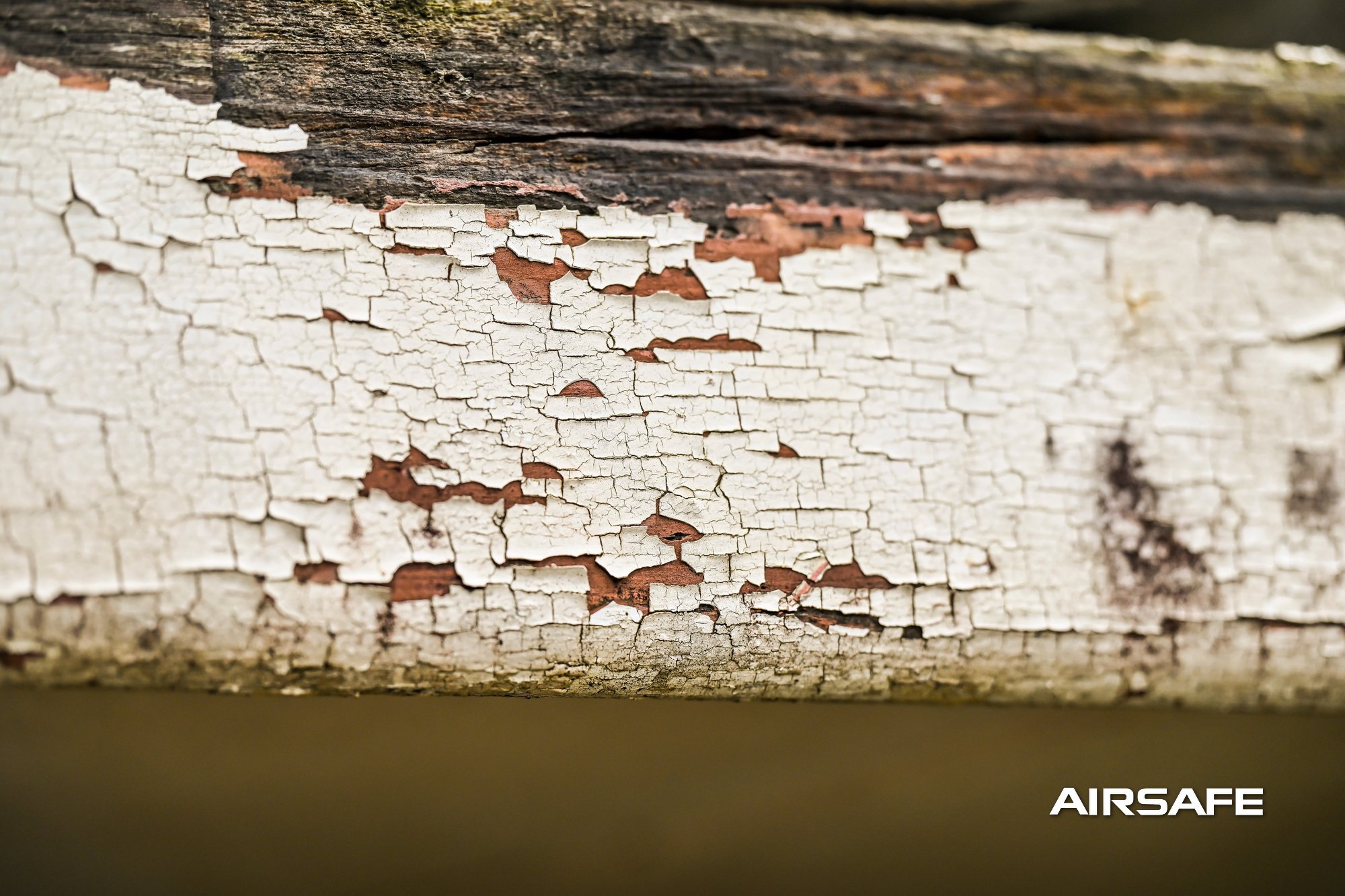
When checking for lead around your centre, look at:
- Old paint that’s flaking or chalking into powder.
- Sliding sash windows where painted surfaces rub together.
- Lead in ceiling dust, especially before work that could disturb it.
- Bare soil beside old painted walls or busy roads.
Most Australian petrol contained lead before 2002. It left lead in soil, especially near busy roads.
Children under five are most at risk: they absorb more lead and often put hands or objects in their mouths. There’s no safe level of lead exposure. If you’re worried about a child’s exposure, speak to a doctor.
How does on-site XRF screening help?
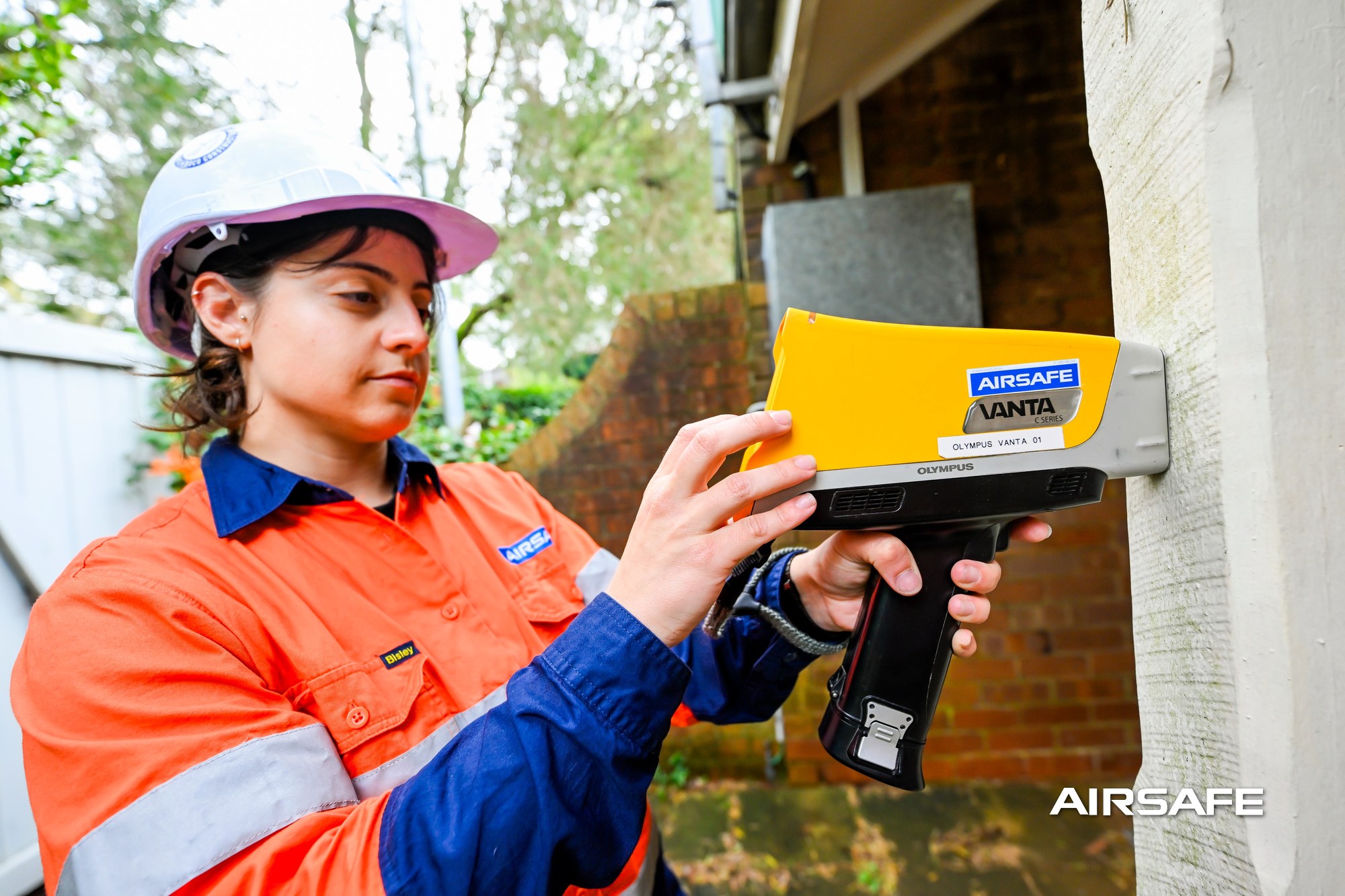
We use a portable XRF analyser, a handheld instrument held against paint to check for lead. It doesn’t take the paint off.
Airsafe is the only company in Australia NATA-accredited for lead paint screening by portable XRF. That accreditation is from the National Association of Testing Authorities, which accredits laboratories for particular tests.
We can test every painted surface the instrument is held against, with an instant on-site reading. Only paint surfaces whose readings need confirming go to a NATA-accredited laboratory. So fewer paint samples need laboratory testing.
We also take instant XRF screening readings on dust deposits across your building. These include window sills, floors and ceiling dust. Where you need a dust or soil result, we send a sample to an external NATA-accredited laboratory. We can also read ceiling dust before maintenance or renovation work disturbs it.
Screening alone can’t classify a material as hazardous. A result applies only to the places tested, not the rest of your site. We’re Sydney-based and travel Australia-wide.
What can you do this week?
Start with a walk around your centre:
- Note flaking or chalking paint and rubbing sash windows.
- Mark bare soil where children play near old walls or a busy road.
- Hold off sanding or using heat on old paint.
- Book screening before maintenance or painting begins.
The NSW Environment Protection Authority (EPA), the state’s environmental regulator, warns that dry-sanding old lead paint creates lead dust. Using heat guns or open-flame torches on it also creates lead dust or fumes.
While you arrange testing, use these precautions from the health and environmental guidance:
- Dust with a damp cloth and mop regularly.
- Wash children’s hands regularly.
- Move play away from bare soil.
- Keep clean sand in sandpits and cover them when they’re not being used.
We test and advise; a removal contractor does any removal. Our lead paint removal assessment, monitoring and clearance covers checks before, during and after removal work.
Use the Fast Quote form with your centre’s address and details of any planned work.
For lead testing, call Airsafe on 1300 888 338.
Questions people ask
Does every childcare centre in NSW have to test for lead?
The compulsory program reported today concerns Broken Hill centres. It doesn’t establish a statewide testing requirement or settle the obligations of centres elsewhere. Outside Broken Hill, you may choose to test your centre to investigate possible lead.
Can you test lead paint without damaging it?
Yes. A portable XRF analyser is a handheld instrument that checks paint for lead while leaving it in place. It gives an instant screening reading. Paint readings needing confirmation are followed up with samples tested by a NATA-accredited laboratory.
What does 300 mg/kg mean for lead in soil?
It describes 300 milligrams of lead in each kilogram of soil. For childcare centres, preschools and primary schools, this national investigation level signals when further investigation is needed. Exceeding it alone doesn’t establish a health risk or require a clean-up.