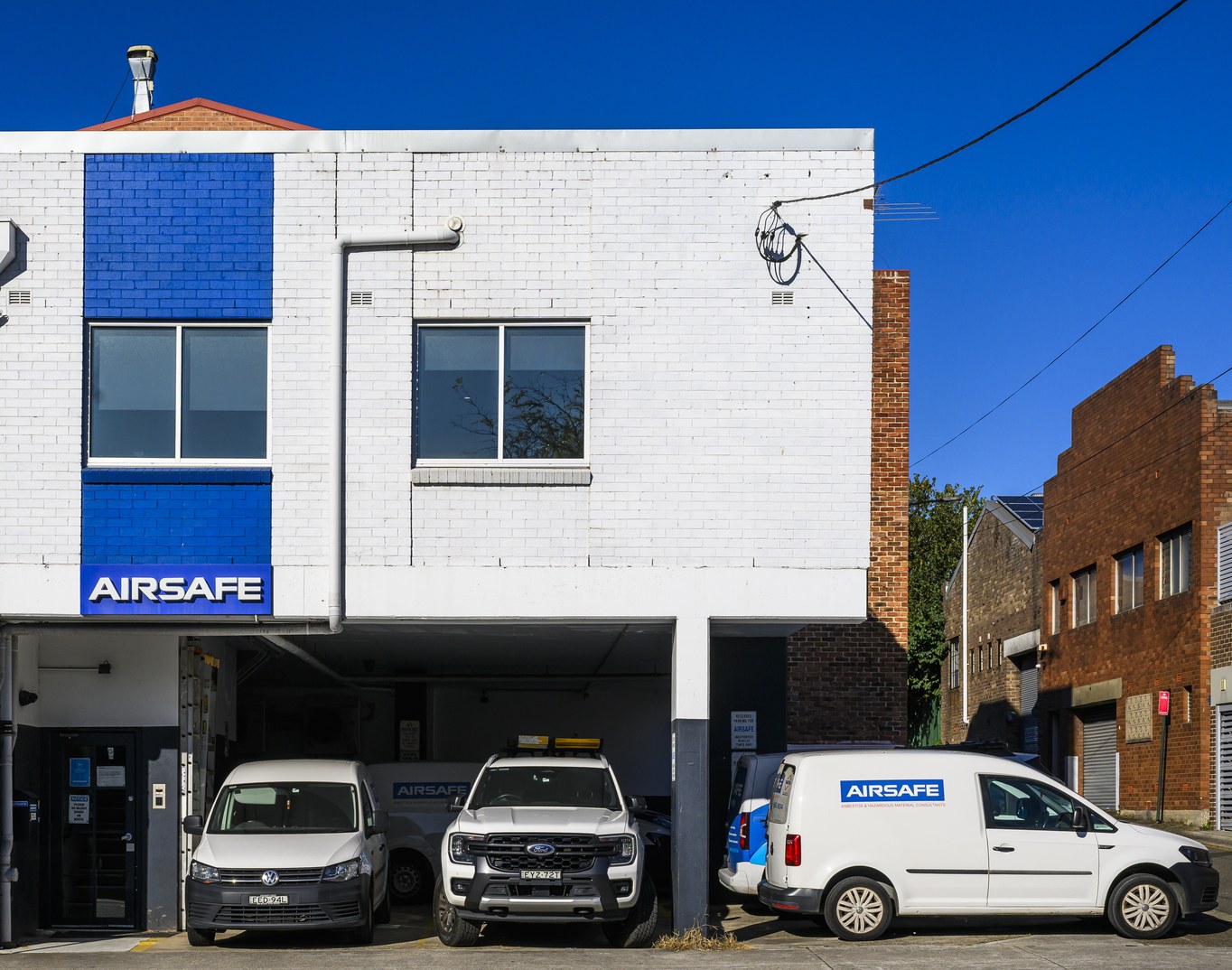
New fit-outs are a common source of VOCs and can leave dust as well. If you aren’t certain what people will be breathing, testing before staff move back shows what was found for the VOCs and dust sampled and whether the relevant limits are being exceeded. Airsafe is Sydney-based, travels Australia-wide, and the same team can assess VOCs and dust together.
Why can a fit-out affect the air?
New building materials, joinery and furniture will typically off-gas VOCs in higher than usual concentrations, which is why air quality complaints so often follow an office fit-out. Floor coverings, glues, paints and sealants can also give off a cocktail of VOCs, especially in new or freshly refurbished spaces.
A fit-out can also bring dust. That might come from cutting, grinding or sanding. Most airborne contaminants are invisible, and many have no smell at levels that can still cause symptoms. A room can feel stuffy because it’s too warm, because carbon dioxide has built up, or because the new carpet is off-gassing. Each of those needs a different fix.
If you want background on indoor air quality complaints more generally, Airsafe has also written about the air in your office, and about VOCs and air quality.
Do you have to test?
It depends on what’s in the space and whether you can be certain about the airborne contaminants people may be exposed to. Not every refurbished office has to be tested.
Safe Work Australia says WHS ministers have agreed to adopt the Workplace exposure limits for airborne contaminants (WEL list) on 1 December 2026, following implementation into the WHS laws of the Commonwealth, states and territories. In NSW, SafeWork NSW says workplace exposure limits replace workplace exposure standards from 1 December 2026. Until 1 December 2026, a person conducting a business or undertaking (PCBU) must still comply with the workplace exposure standards. Until 1 December 2026, you must ensure no person is exposed above the workplace exposure standard; once the WEL applies, that duty is to the WEL, and if you are unsure whether the relevant standard or limit is exceeded, you must conduct air monitoring.
That limit is not the dividing line between a healthy and unhealthy work environment. Natural human biological variations and individual susceptibilities mean a small number of people may still experience adverse health effects from exposure to levels below the WEL. You must eliminate the risk from airborne contaminants if reasonably practicable, and otherwise minimise it so far as is reasonably practicable.
What gets tested for VOCs?
When you bring Airsafe in, an occupational hygienist visits your site, works out where VOCs are likely to be coming from and collects air samples for laboratory analysis. For office fit-outs, the likely sources are usually new fit-out materials, floor coverings, glues, paints, sealants, joinery and furniture.
Airsafe usually starts VOC monitoring with a general screen that can identify around 60 different VOCs. If a particular product, process or chemical is suspected, more focused monitoring can be done for specific VOCs. The samples are collected on site, with air volumes measured under Airsafe’s NATA accreditation No. 2959. The samples are analysed by a dedicated NATA-accredited laboratory.
There are guidelines for total VOCs, but in practice the standards that matter most in the workplace are the ones that apply to individual chemicals that are particularly hazardous. The report sets out what was found for what was sampled and whether the relevant exposure standards, or the relevant exposure limits from 1 December 2026 in NSW and once they apply in your state or territory, are being exceeded.
What gets tested for dust?
For dust, the question is what people may breathe in. Airsafe monitors inhalable and respirable dust. Respirable dust is a subset of inhalable dust, consisting of the smallest particles that penetrate the deepest into the respiratory system. Each type of dust has its own sampling method and exposure standards.
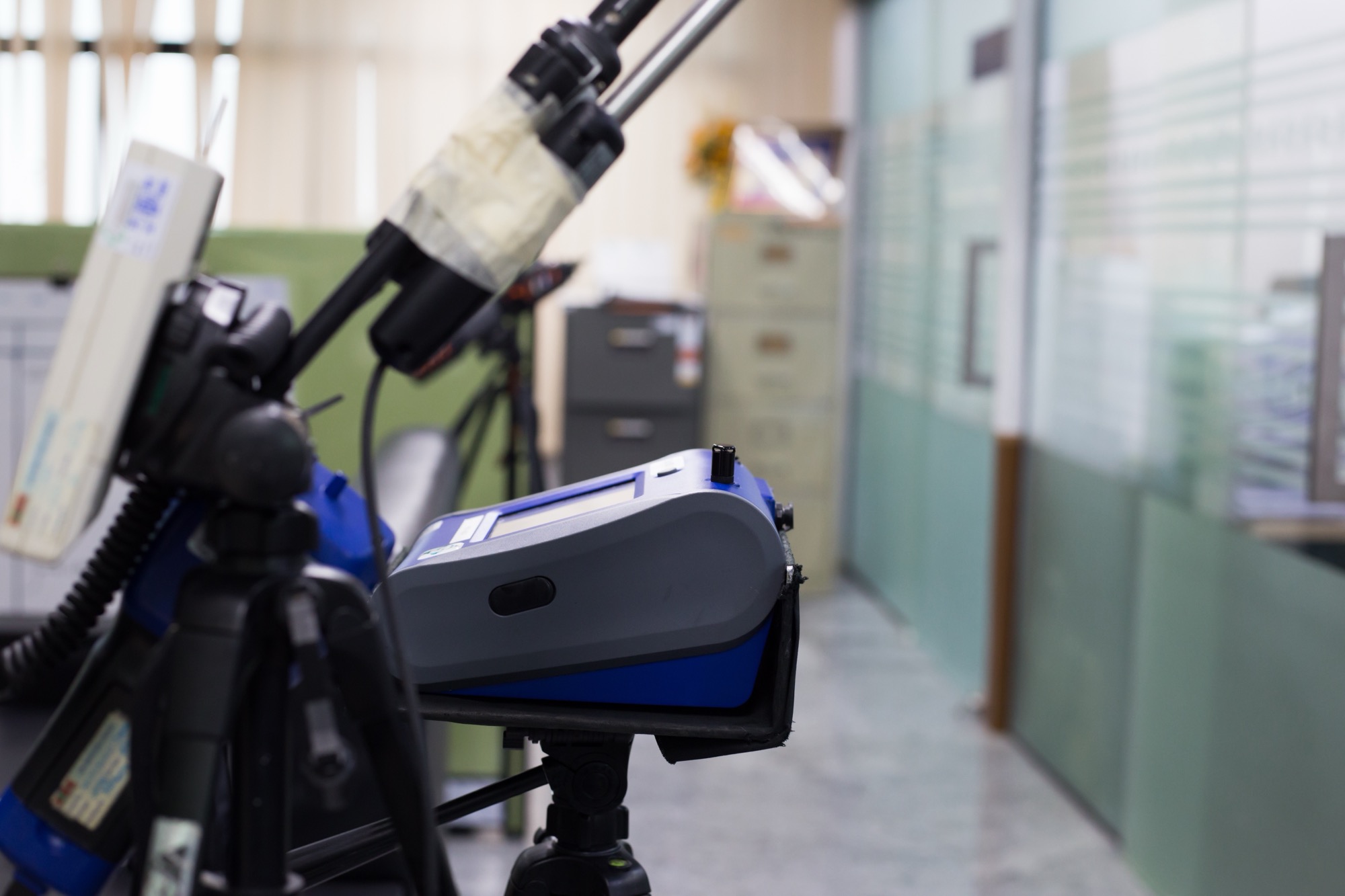
For real-time readings, Airsafe uses handheld TSI DustTrak DRX monitors. Direct-reading indoor air quality measurements are not part of Airsafe’s NATA accreditation.
For gravimetric sampling, Airsafe conducts inhalable dust monitoring in accordance with AS 3640 and respirable dust monitoring in accordance with AS 2985. Sampling flow rates and air volumes are measured under Airsafe’s NATA accreditation No. 2959, and the filters are analysed by an external NATA-accredited laboratory.
VOCs rarely turn up on their own, and a new fit-out tends to bring dust and other contaminants with them.
What happens if the results aren’t good?
You receive a report that sets out what was found, the likely sources, and practical recommendations for fixing it. That might involve ventilation, changing HVAC settings, a maintenance schedule, removing a source, or further checking of a particular area. Airsafe investigates, samples, monitors and assesses. It does not remove or remediate.
Once the work is done, Airsafe can test again. That gives you a way to check whether the issue identified in the first assessment has been dealt with properly.
The results may point somewhere other than the air conditioning.
If you need a quote before staff return, use Fast Quote and tell us the size of the office, what work has been done and what you want checked.
For office fit-out VOC and dust testing, call Airsafe on 1300 888 338.
Questions people ask
Is there a way to test air quality in an office?
Yes. An office air quality assessment can inspect the workplace, look for likely sources such as new fit-out materials, blocked vents, air intakes, mould or water damage, and measure conditions over the working day. Depending on the issue, testing can include VOC screening, targeted monitoring, dust assessment and laboratory analysis where needed.
Is air monitoring a legal requirement?
It can be. Until 1 December 2026, PCBUs must comply with the current workplace exposure standards. In NSW, workplace exposure limits replace those standards from 1 December 2026; elsewhere, the WEL applies once implemented in that state or territory. If you are unsure whether the relevant standard or limit is being exceeded, air monitoring must be conducted.
Is there a way to test for VOC?
Yes. Airsafe can collect air samples on site for laboratory analysis. A general screen can identify around 60 different VOCs, and more targeted monitoring can be used where a specific contaminant is suspected. The report explains what was found for the VOCs sampled and whether the relevant standard or limit is being exceeded.
What are signs of poor indoor air quality?
Signs can include complaints about stuffy rooms, headaches, tiredness, loss of concentration and rising sick leave. Poor ventilation, carbon dioxide build-up, VOCs, mould and poorly maintained air conditioning can all affect how people feel at work. Testing is used because the cause is often invisible.
How much does an air quality assessment cost?
Airsafe doesn’t publish set prices for monitoring or consulting. For a price, use Fast Quote or call 1300 888 338. Airsafe investigates, samples, monitors and assesses indoor air quality, including VOCs and dust after a fit-out.