A good occupational hygiene consultancy can show who is responsible for the work, what is accredited, who analyses the samples and how the results will be assessed. If you are comparing occupational hygiene consultancies in Australia, ask these questions before you book site work or accept a quote. The questions below apply whichever consultancy you are comparing.
Who signs the report?
Ask who will sign the report, and what their qualification is.
Some reports need Certified Occupational Hygienist sign off. If that is the case, you want to know that a Certified Occupational Hygienist, or COH, is actually involved in the report and signs the work that needs that level of sign off.
It is also worth asking who attends site. A senior name on a proposal is useful only if the work is properly reviewed and the final report is signed by the right person.
Does the NATA scope cover the test?
NATA accreditation is specific. NATA accredits activities listed on a public scope, rather than giving a company a general approval for every possible test.
So if laboratory results are part of the job, ask whether the laboratory’s NATA scope actually covers the test being done. For example, asbestos fibre counting, asbestos identification, lead in paint screening and air volume measurement are different activities.
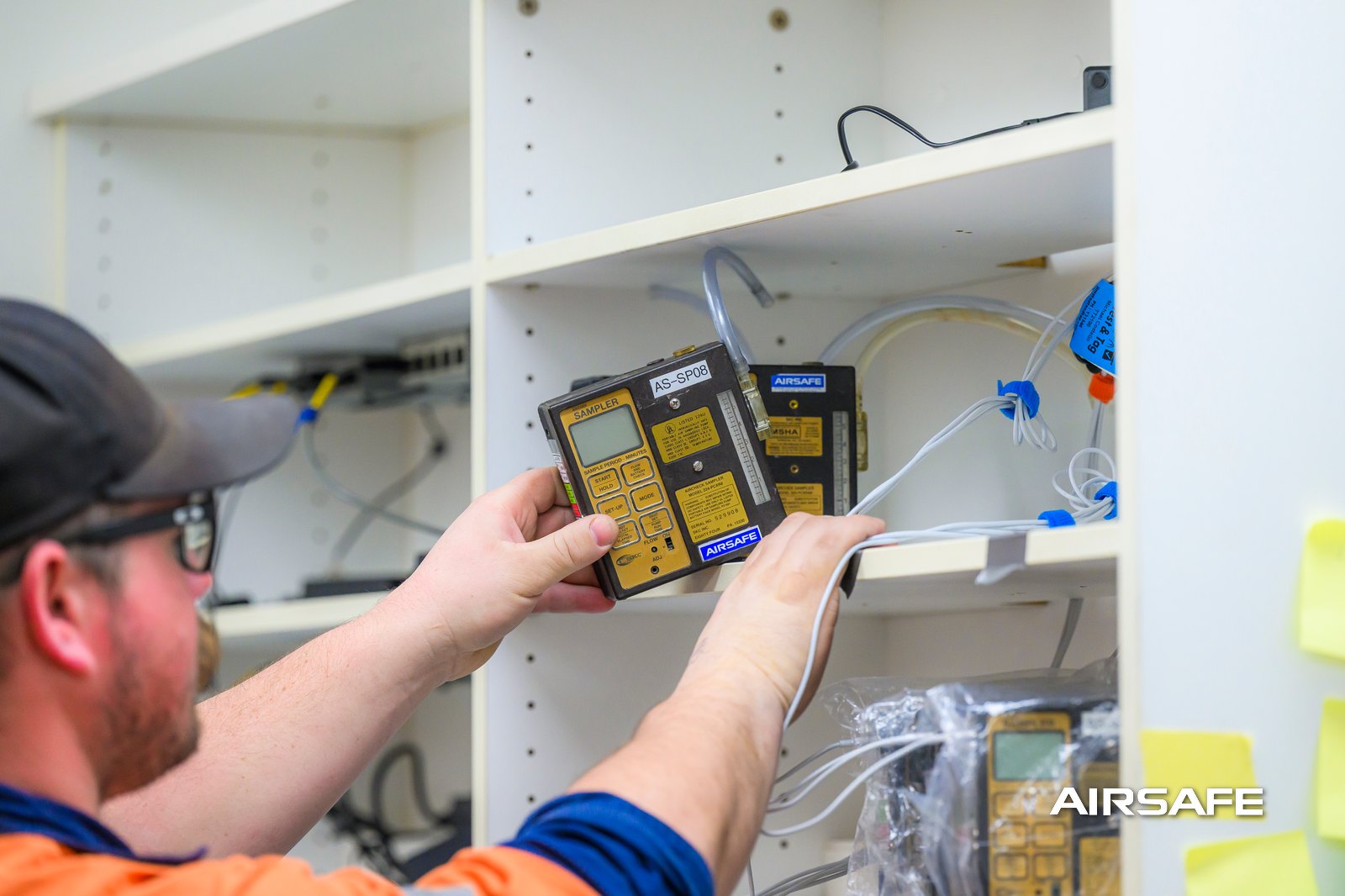
For respirable crystalline silica, welding fume, diesel particulate matter and similar pumped air sampling, there can also be a split between sampling and analysis. The consultant may carry out the sampling and measure the air volume, while an external NATA-accredited laboratory analyses the filters. That is normal in many jobs, but it should be clear in the report.
Does asbestos work need a Licensed Asbestos Assessor?
For asbestos work in NSW, check whether the work requires a Licensed Asbestos Assessor under the NSW Work Health and Safety Regulation.
This matters for asbestos clearance and air monitoring work where an assessor is required. If you are arranging asbestos removal, refurbishment or demolition work, ask the consultant directly whether a Licensed Asbestos Assessor is needed for your job, and who will do that part of the work.
Is the consultant independent from removal or remediation?
A consultant who does not also sell removal or remediation has no stake in the result.
If the same business finds the problem, sells the fix and then tells you the fix worked, you do not have the same independent check. For asbestos, mould, contamination and other hazardous materials work, it is sensible to separate the person doing the removal or remediation from the person checking the result.
How will the sampling be done?
Ask how sampling follows the relevant Australian Standard, where one applies, and what limit the result will be compared with.
For occupational hygiene, the practical question is usually: what levels are workers exposed to in their daily activities? Do they exceed the published Australian workplace exposure standards, or otherwise risk the health and safety of your team?
Australia’s workplace exposure standards become workplace exposure limits from 1 December 2026. Whatever the relevant exposure standard or limit, the report should make clear what was measured, how it was measured, and what the result means for your site.
Who analyses the samples?
Do not assume every sample is analysed in the consultant’s own laboratory.
Ask whether the samples are analysed in house or by an external NATA-accredited laboratory. For asbestos, the consultant may have its own accredited laboratory. For silica, welding fume metals, diesel particulate matter, solvents or other contaminants, analysis may be done by an external laboratory with the appropriate scope.
It should be stated plainly, so you know where the result came from.
Have they worked with this hazard before?
Occupational hygiene covers dust, noise, fumes, mould, heat, chemicals and other workplace hazards. Most workplaces have at least one of them.
A consultant may be strong in one area and less familiar with another. Ask about the specific hazard on your site: respirable crystalline silica, welding fume, diesel particulate matter, carbon monoxide, asbestos, mould, lead in paint or whatever else you are dealing with.
Experience with the hazard helps the consultant choose the right sampling method, the right worker groups, the right timing and the right comparison limit.
How do they work outside their home city?
If the work is outside the consultant’s home city, ask how they handle travel, timing and samples.
Some jobs need a consultant on site. Some samples can be posted to a laboratory. For interstate work, ask whether travel costs are included in the quote and how quickly someone can attend if the job is urgent.
How Airsafe answers those questions
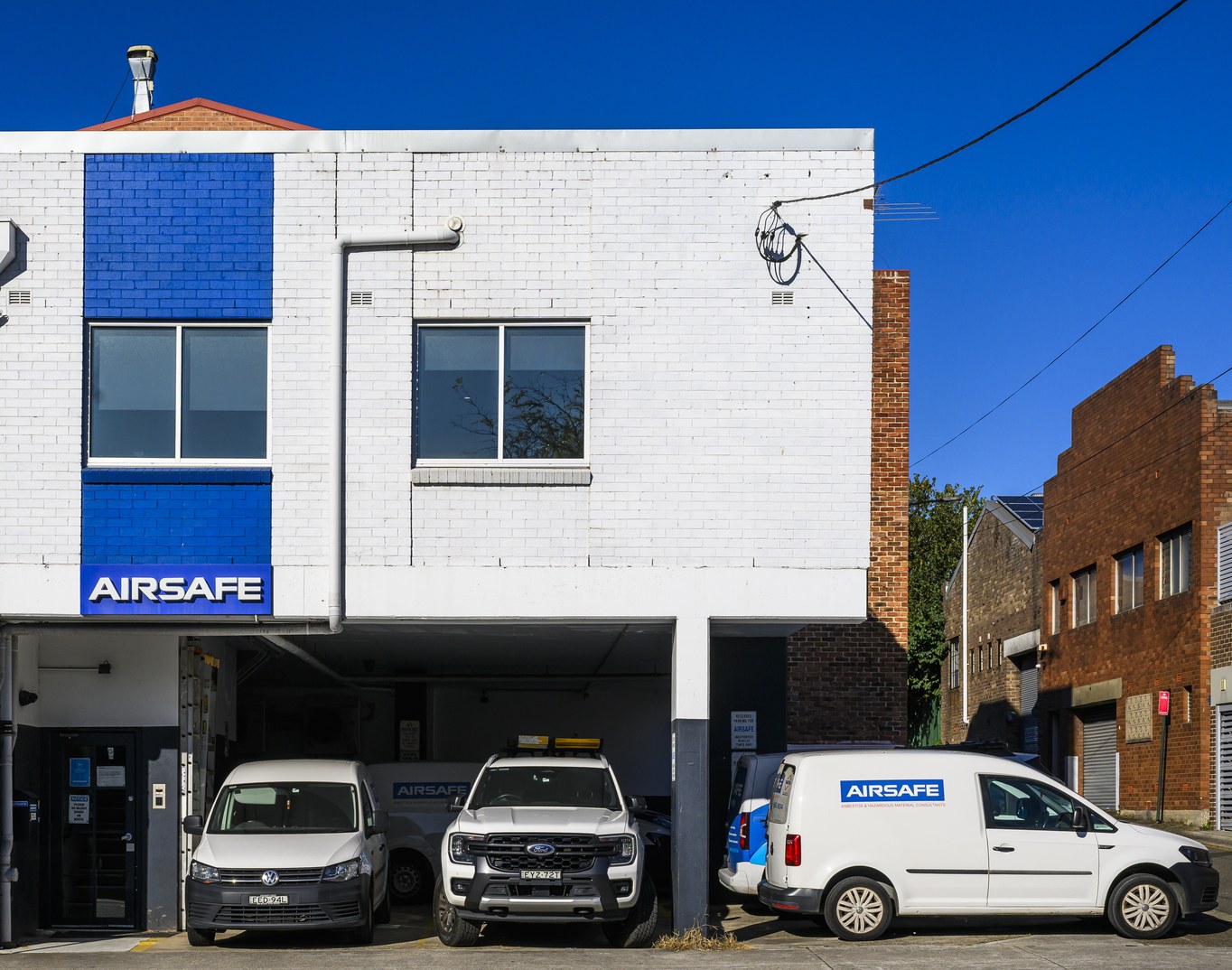
Airsafe are occupational hygiene consultants and a NATA-accredited laboratory, and we have been doing this work since 1988. We are the longest continuously operating NATA-accredited asbestos and occupational hygiene consultancy in Australia.
Reports requiring Certified Occupational Hygienist sign off are signed by Philip Turner, Airsafe’s Certified Occupational Hygienist.
Airsafe is a NATA-accredited testing laboratory, Accreditation No. 2959. In plain terms, our scope includes counting asbestos and mineral fibres, identifying asbestos and mineral fibres including SMF in bulk materials, soils and dust, lead in paint screening by portable XRF, and air volume measurement for services that use a calibrated pump. For silica, welding fume, dust, diesel particulate matter and similar work, Airsafe measures the sampling flow rates and air volumes under our NATA accreditation, and the filters are analysed by an external NATA-accredited laboratory.
We have seven Licensed Asbestos Assessors. We are an independent consultant, not a removalist. We investigate, sample, monitor, assess and validate, and we never remove asbestos or remediate contamination.
Airsafe is based in Sydney and works Australia-wide. Our consultants travel throughout Australia for occupational hygiene and asbestos work.
For occupational hygiene work, call Airsafe on 1300 888 338.
Questions people ask
What does an occupational hygienist do?
An occupational hygienist helps identify, measure and control hazards in your workplace. That can include dust, noise, fumes, mould, heat, chemicals and similar workplace hazards. In practice, they use scientific training, testing and monitoring to work out what workers may be exposed to and what needs controlling.
When do you need an occupational hygienist?
You need one when you have a workplace hazard that has to be measured or assessed, especially where airborne exposure may affect health. Air monitoring is required if you can’t be certain, on reasonable grounds, whether exposure is above the exposure standard or limit, or if monitoring is needed to find out whether there’s a health risk.
What is a Certified Occupational Hygienist?
A Certified Occupational Hygienist, or COH, is a certification awarded by the Australian Institute of Occupational Hygienists. Applicants must be Full Members of the AIOH, have relevant tertiary study, have more than five years’ professional work in occupational hygiene or a specialist branch, pass examinations, and keep up ongoing professional development.
Does an occupational hygiene consultancy need to be NATA accredited?
NATA accreditation applies to the activities listed on a laboratory’s public scope. A consultancy’s general NATA status doesn’t tell you whether your exact test is covered. For example, asbestos fibre counting, asbestos identification, lead in paint screening and air volume measurement are separate activities, so ask what is accredited for your job.
Who analyses the samples an occupational hygienist takes?
Sometimes samples are analysed by the consultant’s own laboratory, and sometimes they go to an external NATA-accredited laboratory. For pumped air sampling such as respirable crystalline silica, welding fume or diesel particulate matter, the consultant may do the sampling and measure air volume, while a separate laboratory analyses the filters.
What should I ask before booking an occupational hygienist?
Before booking, ask who will attend site, who signs the report and whether a COH sign-off is needed. Ask what NATA scope covers the work, who analyses the samples, how sampling follows the relevant Australian Standard, what limit the results are compared with, and whether they’ve worked with your specific hazard before.