Someone mentions that the meeting room feels stuffy. A few weeks later there are complaints about headaches in the afternoons, and you notice sick leave has been creeping up. If you’re the person responsible for the workplace, that puts you in an awkward spot: the complaints are real, but there’s nothing to see, and nothing obvious to fix.
Poor indoor air quality is a common problem in Australian offices. It’s also usually fixable, once you know what’s actually wrong. That’s what indoor air quality testing is for.
Where poor office air quality comes from
Studies have shown that increased sick leave and lower productivity can be related to poor heating, ventilation and air conditioning (HVAC) systems. In an office, the HVAC system determines how much fresh air comes in, how well it circulates, and what comes along with it. When the system is poorly maintained, or was never set up for the number of people now using the space, air quality suffers.
Common causes include:
- Not enough fresh air. When ventilation can’t keep up with the number of people in a space, carbon dioxide builds up, rooms feel stuffy, and people get tired and lose concentration.
- Volatile organic compounds (VOCs). New building materials, joinery and furniture will typically ‘off-gas’ VOCs in higher than usual concentrations, which is why air quality complaints so often follow an office fit-out. Printers and photocopiers are another source, as the ink they use is high in VOCs.
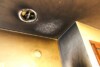
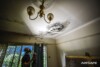
- Mould. Anywhere that moisture accumulates in a building, it’s likely that mould will grow. In an office, that can be a slow leak above the ceiling tiles, or carpet that got wet and never properly dried. The HVAC system can then spread mould spores well beyond the water damage itself.
- Contaminated systems. Poorly maintained air conditioning can harbour bacteria, with Legionnaires’ disease the best known risk.
- What’s outside. If the building’s air intake sits near a busy road, a loading dock or a construction site, the problem may not start indoors at all.
Why you can’t diagnose it by feel
Most airborne contaminants are invisible, and many have no smell at levels that can still cause symptoms. A room can feel stuffy because it’s too warm, because carbon dioxide has built up, or because the new carpet is off-gassing, and each of those needs a different fix. If you guess, you can easily spend money fixing the wrong thing.
Sometimes testing shows the air is actually fine, and the cause of the symptoms lies elsewhere. That’s worth knowing too, before anyone signs off on an expensive overhaul of the air conditioning.
What indoor air quality testing involves
It depends on the workplace and the hazard. In an office building, it usually means assessing ventilation and testing for the contaminants associated with poorly maintained HVAC systems.
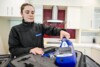
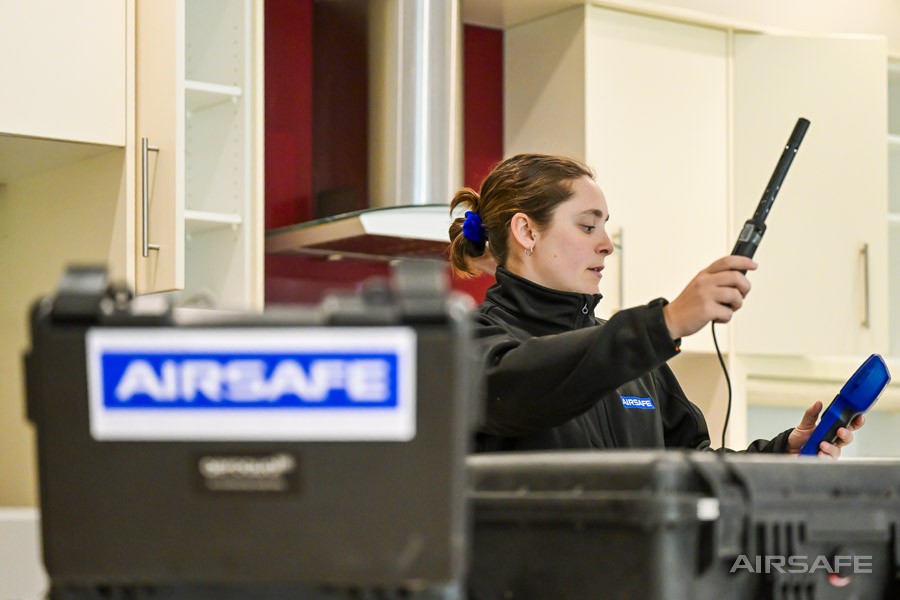
One of our occupational hygienists inspects the workplace, talks to the people affected, and looks for likely sources: water damage, mould, new fit-out materials, blocked vents and air intakes. We measure conditions over the working day, typically temperature, humidity, carbon dioxide and carbon monoxide. We can screen for up to 60 different VOCs, or conduct more targeted monitoring where a specific contaminant is suspected. Where we suspect mould, we take air and surface samples for laboratory analysis.
You receive a report that sets out what we found, where it’s coming from, and practical recommendations for fixing it. That might be a change to the HVAC settings, a maintenance schedule, or removing the source altogether. Once the work is done, we can test again, the same way we approach mould: we identify the source of the issue, then verify that it’s been dealt with properly.
Your responsibilities
Under the NSW work health and safety laws, a business must ensure, so far as is reasonably practicable, that ventilation lets workers carry out their day-to-day work without risks to their health and safety. Under work health and safety regulations, many airborne contaminants are also subject to workplace exposure standards, and you must arrange air monitoring when necessary to determine if there is a risk to workers’ health.
Most office air quality problems involve levels well below the exposure standards. That doesn’t mean they can be ignored. Even concentrations below the exposure standards can potentially be a health hazard, and work health and safety regulations require that exposure to airborne contaminants be kept as low as is reasonably practicable.
How Airsafe can help
As our name implies, air quality monitoring is one of Airsafe’s core activities. Since 1988, Airsafe has provided fast, expert support for identifying hazardous materials, investigating contaminated sites, and testing indoor air quality, in offices, commercial and industrial buildings, hospitals, schools and government facilities across Sydney, NSW and Australia.
If people are complaining about the air in your workplace, or you’d simply like to know your building is a healthy place to work, call Airsafe on 1300 888 338.
Questions people ask
Is there a way to test the air quality in an office?
Yes. An office air quality assessment can check the workplace, speak with affected staff and look for likely sources such as mould, water damage, blocked vents, new fit-out materials and air intakes. Testing can include conditions across the working day, VOC screening, targeted monitoring and mould sampling where needed.
Can bad indoor air quality make you sick?
It can contribute to symptoms and workplace complaints. Poor ventilation, carbon dioxide build-up, VOCs, mould and poorly maintained air conditioning can all affect how people feel at work. Headaches, tiredness, loss of concentration and rising sick leave can be signs that the air needs checking properly.
What does an office air quality assessment measure?
In an office, the assessment usually looks at ventilation and contaminants linked with poorly maintained HVAC systems. Measurements commonly include temperature, humidity, carbon dioxide and carbon monoxide over the working day. Depending on the issue, testing may also include VOC screening, targeted contaminant monitoring, and air or surface samples for mould.
Who writes and signs the report?
Airsafe reports are signed by the consultant who did the job. For an office air quality assessment, the report sets out what was found, where the problem appears to be coming from, and practical recommendations. Philip Turner signs reports that need Certified Occupational Hygienist sign-off when the client asks for that.