Safe Work Australia’s model Code of Practice doesn’t set a fixed interval. You monitor when you’re not certain on reasonable grounds whether the airborne concentration of respirable crystalline silica exceeds the limit, or when monitoring is necessary to determine whether there is a risk to health. Further monitoring may be needed when earlier results may no longer be relevant, for example when the material, process, workplace or controls change.
When might earlier results no longer be relevant?
The model Code of Practice gives examples of when previous air monitoring results may not be relevant. They include: the crystalline silica substance has changed, such as a new formulation; the processing has changed; the workplace has changed, such as a new location that is enclosed or has different dimensions; additional processing is now done in close proximity; or additional controls have been put in place.
There is also a date issue. The exposure standard for respirable crystalline silica halved from 0.1 mg/m3 to 0.05 mg/m3 on 1 July 2020. If your monitoring was done before that date, it may need to be redone, especially if the earlier result sat between 0.05 mg/m3 and 0.1 mg/m3.
How much monitoring is one round?
A good monitoring program should be undertaken over time. Depending on the work, it may need multiple days of sampling so the results are representative of actual exposures, taking account of differences between workers and workplace conditions.
Sampling should ideally cover the whole shift. The Code says it should not be less than 4 hours or half the shift duration. It should also be arranged on days when normal crystalline silica processing tasks are taking place.
The samples should be unbiased and representative of actual worker exposure. Because it is rarely practical to measure every person, monitoring programs often use Similar Exposure Groups. The Similar Exposure Groups Baseline Strategy developed by the American Industrial Hygiene Association is regularly used in Australia, with a minimum of 6 to 10 samples drawn from a group to obtain statistical significance.
The Code says you should engage an expert in air monitoring, for example an occupational hygienist. The consultant uses their judgement to work out the monitoring strategy, including how many workers are sampled and what time period is covered.
Does high risk work change anything?
Yes. For each processing of a crystalline silica substance that is high risk at the workplace, the person conducting a business or undertaking (PCBU) must undertake air monitoring for respirable crystalline silica in accordance with regulation 50 and provide health monitoring for all workers carrying out that high-risk processing.
For high-risk processing, if the airborne concentration of respirable crystalline silica exceeds the workplace exposure standard (WES), the result must be provided to the WHS regulator as soon as reasonably practicable and no more than 14 days from the date the result was reported to you.
The Code also uses half the WES as an assessment point. Previous air monitoring results can be used to assess whether processing is likely to result in an airborne concentration that exceeds half the WES. However, air monitoring data above half the WES may not automatically result in a determination that the processing is high risk. Other factors must be considered, such as the frequency and duration of the processing.
If you are still working out the trigger question, we cover when monitoring is first needed in a separate article.
What limit are results compared with?
Airsafe compares respirable crystalline silica monitoring results with the Australian eight-hour time-weighted average exposure limit of 0.05 mg/m3.
In NSW, workplace exposure limits replace workplace exposure standards from 1 December 2026; elsewhere, they apply once implemented in the relevant Commonwealth, state or territory WHS laws. For respirable crystalline silica, the number stays the same: 0.05 mg/m3 as an eight-hour time-weighted average. If you are reviewing other airborne contaminants, our article on 1 December 2026 exposure limits explains the broader change.
Even concentrations below the exposure standard can potentially be a health hazard. For that reason, work health and safety regulations require that exposure to airborne contaminants be kept as low as is reasonably practicable.
For background on the material itself, our article with common questions about silica covers what crystalline silica is and where silica dust comes from.
What does Airsafe do?
Airsafe measures respirable crystalline silica using gravimetric personal sampling to AS 2985. The results are used for an exposure assessment against the exposure limit.
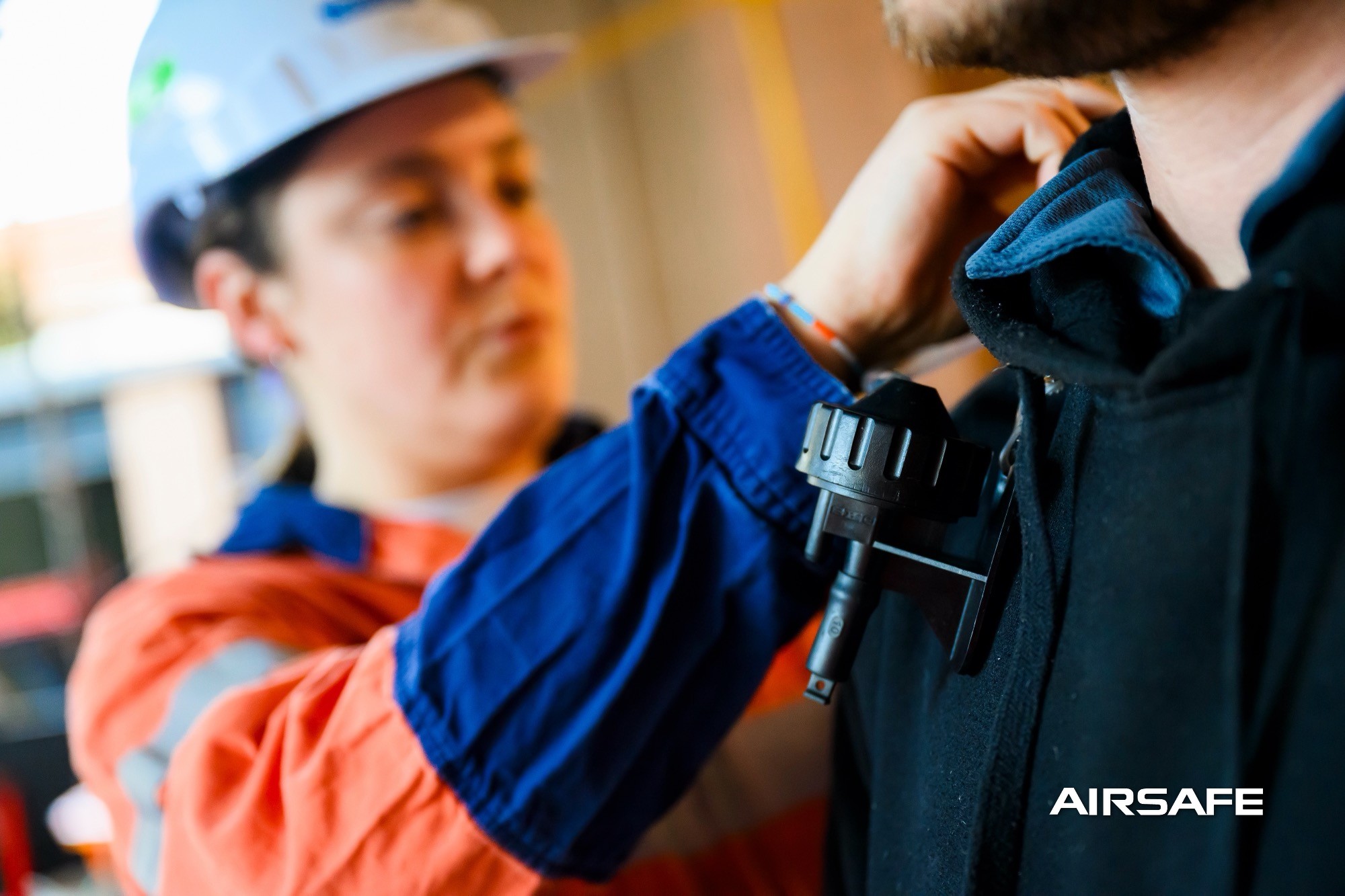
Airsafe samples silica dust on site with our own pumps and cyclones. Sampling flow rates and air volumes are measured under Airsafe’s NATA accreditation (No. 2959). The filters are sent to an external NATA-accredited laboratory for analysis. Airsafe does not analyse silica filters in its own laboratory.
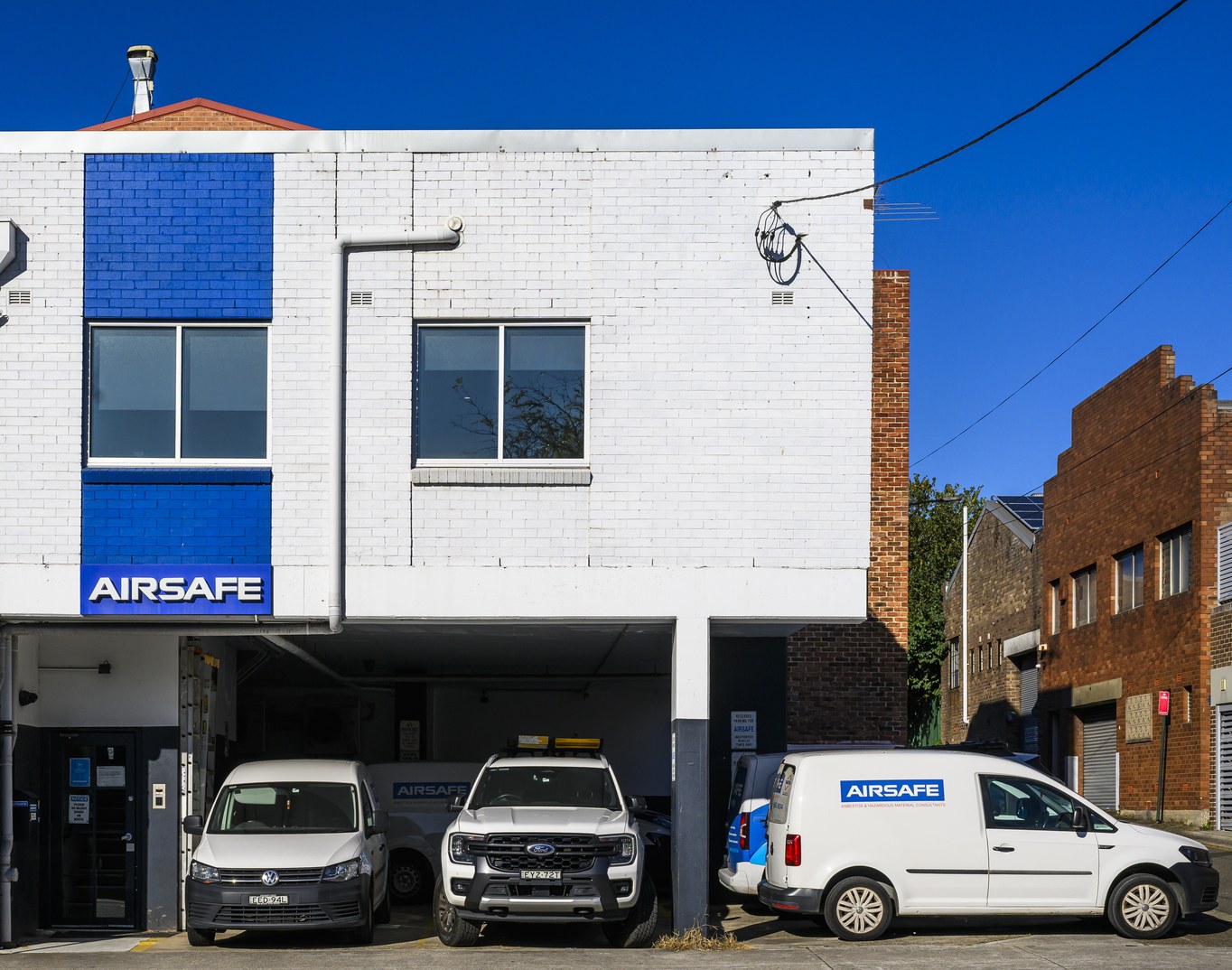
Airsafe is Sydney-based and travels Australia-wide. If you need a quote, use Fast Quote and include what the material is, what work is being done, where the work happens and when normal processing will be taking place.
Keep the results. The WHS Regulations require you to keep air monitoring results for 30 years and make the records readily accessible to people at the workplace who may be exposed to respirable crystalline silica. When assessing whether processing is high risk, you must have regard to the results of any relevant air monitoring previously undertaken at the workplace.
For respirable crystalline silica monitoring, call Airsafe on 1300 888 338.
Questions people ask
How often should air monitoring be conducted?
Safe Work Australia’s model Code of Practice gives no calendar interval for repeating silica air monitoring. You monitor when you’re not certain on reasonable grounds whether the airborne concentration of respirable crystalline silica exceeds the limit, or when it is needed to assess health risk. Further monitoring may be needed when earlier results may no longer be relevant.
What are the requirements for silica testing in the workplace?
You must monitor when you’re not certain on reasonable grounds whether the airborne concentration of respirable crystalline silica exceeds the limit, or when monitoring is necessary to determine whether there is a risk to health. Airsafe fits workers with sampling pumps and cyclones, samples to AS 2985, and sends filters to an external NATA-accredited laboratory.
What are the health monitoring requirements for silica exposure?
Under Safe Work Australia’s model Code of Practice, health monitoring is required for workers carrying out high-risk processing of crystalline silica substances, and where workers are at significant risk from silica exposure. It may also apply where workers are regularly nearby or in contact through work such as cleaning.
What is the mandatory limit for silica exposure in Australia?
The Australian limit for respirable crystalline silica is 0.05 mg/m3 as an eight-hour time-weighted average. In NSW, workplace exposure limits replace workplace exposure standards from 1 December 2026; elsewhere, they apply once implemented in the relevant Commonwealth, state or territory WHS laws. The silica limit remains 0.05 mg/m3. A result under that number can still be a health hazard, so exposure must be kept as low as reasonably practicable.