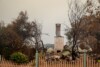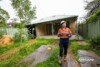
If your home was built before about 1990, it’s best to have any old tiles, wall or ceiling sheeting, or flooring tested before it comes out, because those materials may contain asbestos and you can’t tell by looking. As a guide, homes built before the mid 1980s are highly likely to have some materials containing asbestos, homes built between the mid 1980s and 1990 are likely, and homes built after 1990 are unlikely. The practical step is to have a sample tested in a NATA-accredited laboratory, or arrange an inspection if there’s a lot to check.
Where is asbestos usually found in a house being renovated?
If you’re renovating or working on a home built before the late 1980s, it may contain asbestos. SafeWork NSW lists flooring, kitchens, bathrooms, roofs, ceilings and walls among the places where asbestos materials were commonly used.
Asbestos cement sheeting was commonly used in building materials from the 1940s to the late 1980s. Fibro sheeting is one of the asbestos products an older home can contain, and you can’t tell by looking; testing is the only way to be sure.
Flooring deserves special attention. Asbestos was used in various types of floor covering, especially from the 1960s to the 1980s. The most common use was in the backing of vinyl sheet and floor tiles, also known as lino. That is why the old Airsafe advice still holds: test before you rip.
Should I test one sample or get an inspection?
If you’re only worried about one or two materials, a sample test may be enough. For example, you might have one piece of old vinyl flooring, one loose tile, or a small piece of sheeting from an area that has already been safely removed. In that case, you can drop in or post a properly packaged sample, or ask Airsafe to collect it. A sample test tells you about that material only, and can’t tell you whether other materials in the room contain asbestos. If several materials will be disturbed, an inspection may be the better choice.
SafeWork NSW recommends using a professional, such as an occupational hygienist or licensed asbestos assessor, to collect samples of suspected asbestos.
If you are planning a whole bathroom, kitchen, or several rooms, an inspection is usually more sensible. The same applies if council wants a report. For homes and workplaces built before the late 1980s, an asbestos inspection is the most common council requirement when renovating, rebuilding or buying.
If you collect a sample yourself, follow the step-by-step safety guide on our asbestos sample testing page. The DIY test kits article has more on collecting a sample yourself.
How do I get a sample tested?
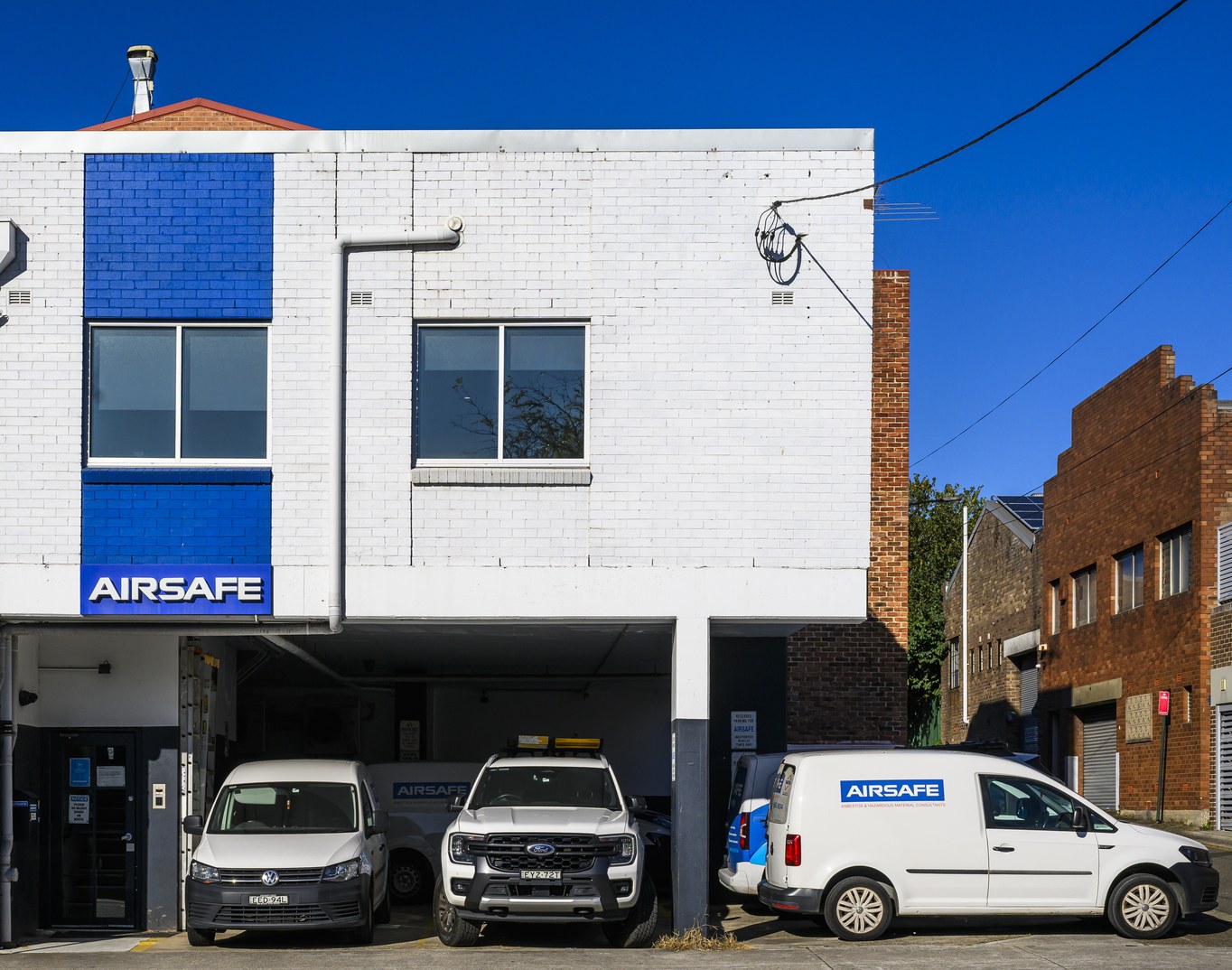
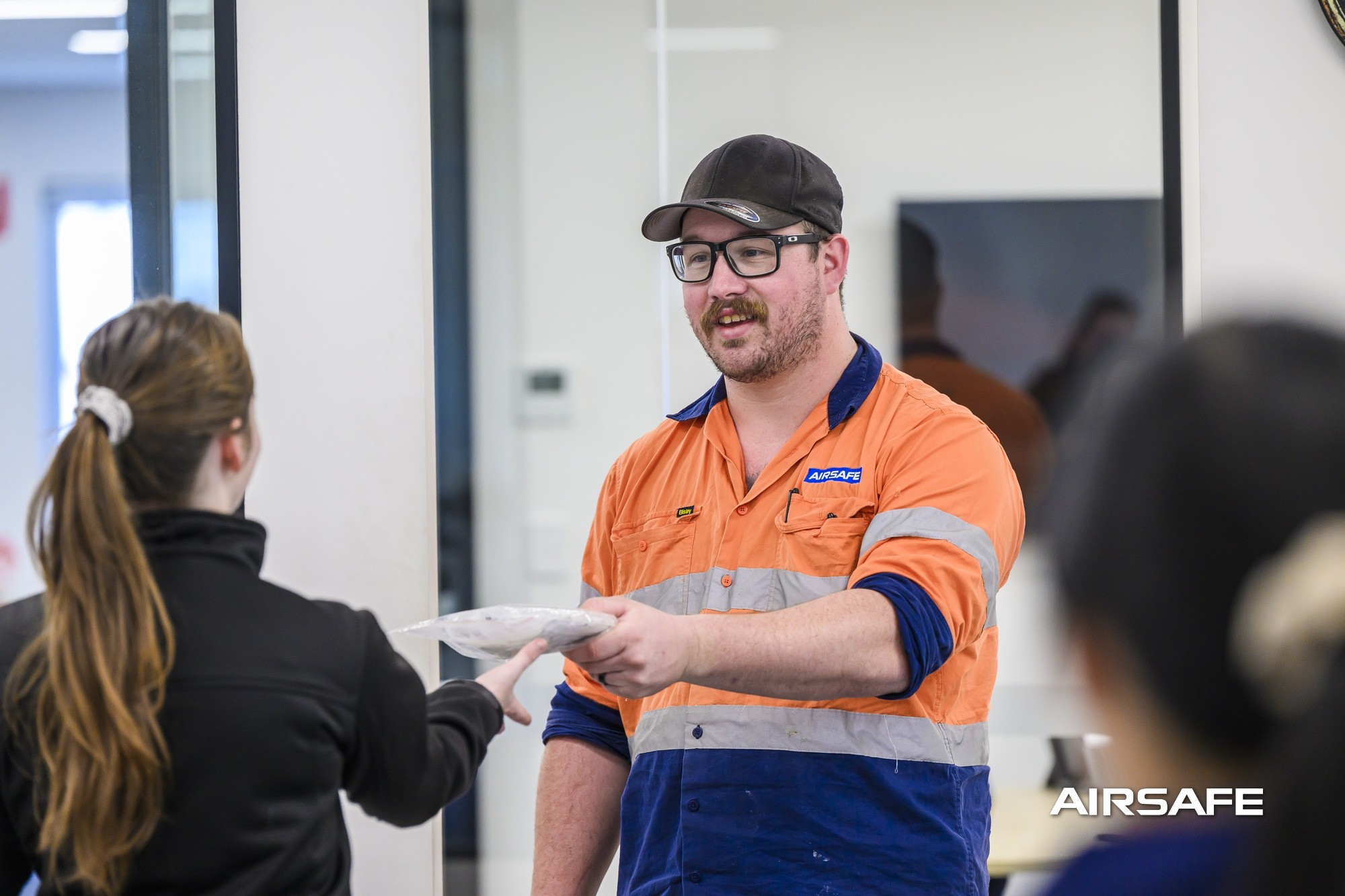
You can drop a sample in at Airsafe’s laboratory at Level 1, 488 Botany Road, Beaconsfield, Sydney. You can also post a sample from anywhere in Australia, provided it has been collected and packaged safely. If you don’t want to collect it yourself, an Airsafe technician can collect it for you. Collection costs extra and is included in the quote.
Asbestos samples are identified in Airsafe’s own NATA-accredited laboratory, NATA No. 2959. The NATA accreditation covers identification of asbestos and other mineral fibres.
When you request a quote, it helps to describe what the sample is and where it came from. For instance, old vinyl flooring from the kitchen, wall sheeting from a bathroom, or ceiling sheet from a laundry. If you have more than one sample, list each one separately.
Can I remove asbestos myself in NSW?
In NSW, a homeowner can remove less than 10 m2 of non-friable asbestos themselves, or a tradesperson can remove less than 10 m2 on the homeowner’s behalf.
More than 10 m2 of non-friable asbestos needs a licensed asbestos removalist. Any amount of friable asbestos also needs a licensed asbestos removalist.
The NSW Government strongly recommends a licensed removalist even for small amounts of non-friable asbestos, and SafeWork NSW recommends a licensed asbestos professional for any amount of non-friable asbestos. SafeWork NSW also states that there is no known safe minimum level of exposure.
If you are transporting more than 10 m2 or 100 kg of asbestos waste, the EPA’s WasteLocate system applies.
Airsafe tests and inspects but never removes asbestos.
What should I do before the work starts?
Test first, then plan the job around the result. If the material does contain asbestos, you can decide how it should be managed or removed before anyone starts breaking, cutting, drilling, sanding or pulling it up.
Tell your builder or tradesperson what has been tested and what the result was. If you have an inspection report, give them the relevant information before the job starts. It is much easier to plan a renovation around a known asbestos material than to stop halfway through a bathroom strip-out because someone has found suspicious sheeting behind the tiles.
If you’re planning work over the summer holidays, don’t leave asbestos testing until the day before demolition. Book the inspection or drop the sample in before the holidays. If you need a price for collection, testing or an inspection, use the Fast Quote form and describe the renovation area and the materials you want checked.
For asbestos sample testing and inspections, call Airsafe on 1300 888 338.
Questions people ask
Are bathroom tiles likely to contain asbestos?
Bathrooms are a common place for asbestos in homes built before the late 1980s. That does not mean the tiles themselves are usually asbestos. The concern may be the tiles, the sheeting behind them, or the flooring. Testing is the only way to know what is in the material before renovation work disturbs it.
Can old vinyl floor tiles contain asbestos?
Yes. Asbestos was used in various floor coverings, especially from the 1960s to the 1980s. Airsafe’s earlier advice on lino still applies because asbestos was commonly used in the backing of vinyl sheet and floor tiles to make the product more durable. You can’t confirm it by appearance.
Does fibro sheeting contain asbestos?
Fibro sheeting is one of the products made from asbestos in older homes. Asbestos cement sheeting was commonly used in building materials from the 1940s to the late 1980s. If the sheeting is in an older home, it should be treated as suspect until a sample has been tested.
When should asbestos testing be done?
Asbestos testing should be done before renovation work disturbs suspect materials. That includes pulling up flooring, removing tiles, taking out wall or ceiling sheeting, or working around roofs, kitchens and bathrooms in older homes. Once you know what the material is, you can plan the work around it.
What happens if I remove asbestos myself?
In NSW, a homeowner may remove less than 10 m2 of non-friable asbestos, or have a tradesperson do that amount for them. More than 10 m2 of non-friable asbestos, or any friable asbestos, needs a licensed removalist. The NSW Government strongly recommends a licensed removalist, and SafeWork NSW recommends a licensed asbestos professional for any amount of non-friable asbestos.
How much does an asbestos check cost?
The cost depends on whether you need one sample tested or a full inspection of a bathroom, kitchen, several rooms, or a whole home. Airsafe lists the per-sample price on the asbestos sample testing page. If a technician needs to collect the sample, that collection cost is included in the quote.