Safe Work Australia is reviewing the health and air monitoring requirements for hazardous chemicals. The current rules have not changed. If your workplace has dust, fume, vapour, welding fume, silica, diesel exhaust or other airborne contaminants, the existing air monitoring requirements still apply.
The review is looking at parts of the model Work Health and Safety Regulations that Safe Work Australia says can be unclear or difficult to apply in practice. It is asking whether the rules and guidance should do a better job of explaining when monitoring is required, what evidence can be relied on and who should carry it out.
The current air monitoring rule
Under work health and safety regulations, many airborne contaminants have workplace exposure standards. If you cannot be certain, on reasonable grounds, that the airborne concentration is below the relevant standard, air monitoring must be carried out. Monitoring is also required where it is necessary to determine whether there is a risk to health.
For workplaces dealing with hazardous chemicals, that can include dusts, fumes and vapours produced by normal work. The important point is whether you have enough reliable information to know what people are being exposed to.
Sometimes recent monitoring from the same process, materials and controls will still be useful. Sometimes it will not. A change in equipment, materials, ventilation, production rate or the way the job is done can make old results a poor guide to current exposure.
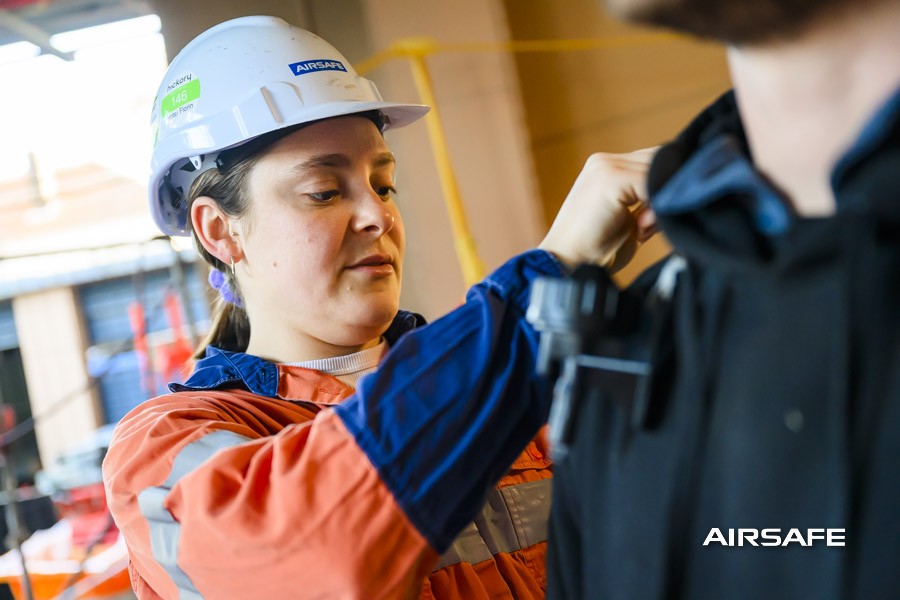
Because airborne contaminants are breathed in where the work is done, personal exposure monitoring is the primary method. A sampling device is worn in the worker’s breathing zone over a representative period. Where exposure varies between jobs, shifts or conditions, more than one sample may be needed before you have a useful picture.
In NSW, air monitoring records under these provisions must be kept for 30 years and be readily accessible to workers who may be exposed.
If you want to see how the same trigger applies to one common hazard, our article on silica air monitoring goes through it in detail.
What Safe Work Australia is considering
Safe Work Australia opened the consultation on 10 August 2026. It is considering options to clarify the existing requirements in the model Regulations and the guidance that supports them.
One issue is what it means for a business to be “certain on reasonable grounds” that an exposure standard is not being exceeded. The consultation asks about the use of earlier monitoring results, information from comparable work and representative or statistical sampling. It also asks whether the rules should be clearer about the competence of the person carrying out air monitoring.
The review also covers health monitoring. That is separate from air monitoring. Air monitoring measures the contaminant in the worker’s breathing zone. Health monitoring looks for changes in a worker’s health where the legal trigger is met for particular hazardous chemicals. Safe Work Australia is asking whether some of those requirements should also be clarified.
The Safe Work Australia consultation closes at 11:59 pm AEST on Monday 21 September 2026. Any recommendations still have to go through the normal process before the model laws are changed, and jurisdictions such as NSW would then need to deal with any amendments in their own laws.
What workplaces should do now
Keep working to the current requirements. If the work produces an airborne contaminant and you do not have reasonable grounds for being confident that exposure is below the relevant standard, arrange monitoring and use the results to check the controls.
That also means looking again when the work changes. A result from a different process, different material or different set of controls may not tell you much about the job being done now.
There is a separate change already scheduled for 1 December 2026, when workplace exposure standards are replaced nationally by workplace exposure limits. Some limits change from that date. The current consultation on health and air monitoring is a different process and should not be confused with the December change.
Air monitoring with Airsafe
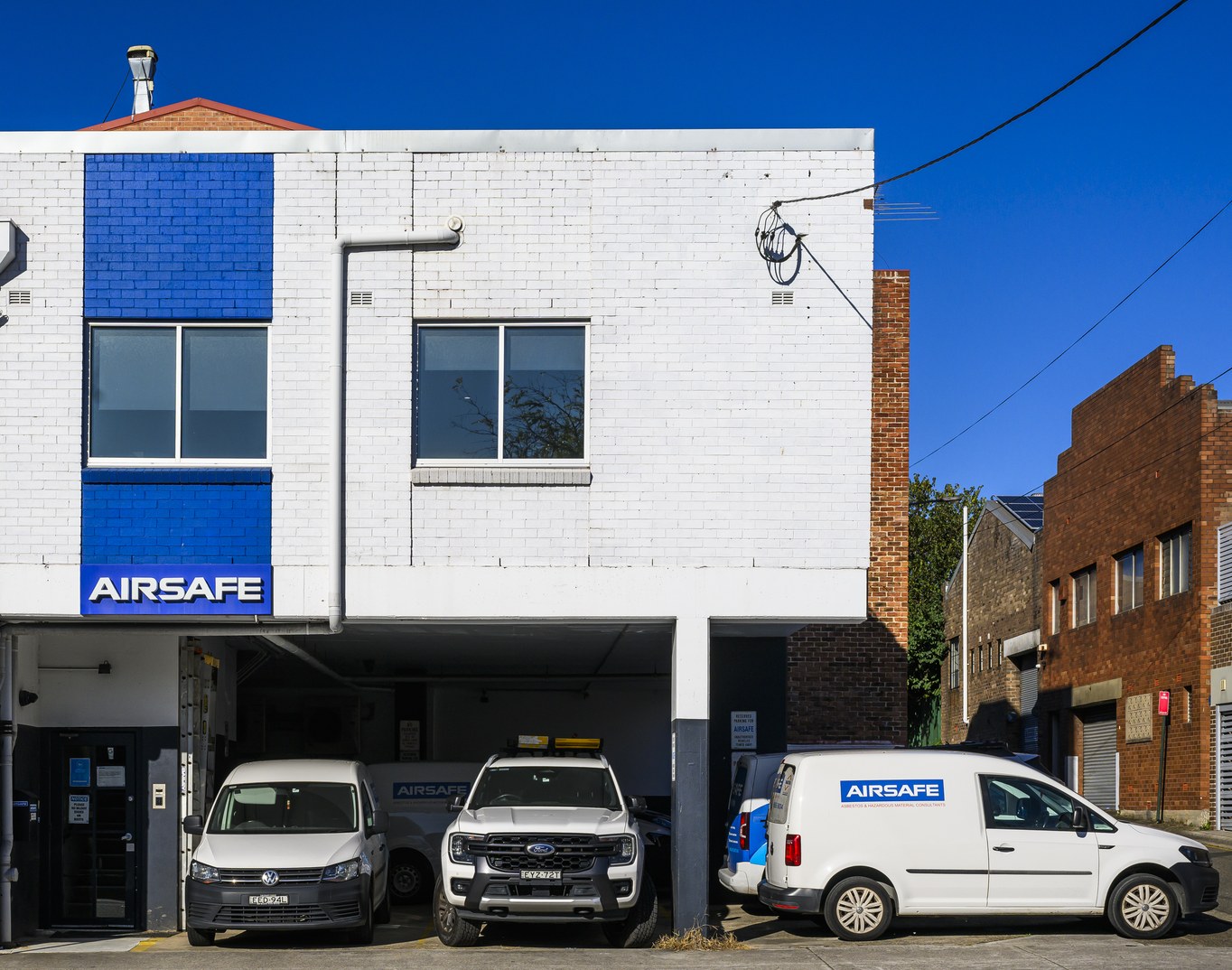
Airsafe has been carrying out occupational hygiene work since 1988. Our occupational hygienists carry out personal exposure monitoring for dust, welding fume, silica, diesel particulate matter and other airborne contaminants, then compare the results with the relevant exposure standard or limit.
Airsafe takes the samples on site using calibrated pumps under its NATA accreditation for sampled-air volume measurement. Where laboratory analysis is required, the samples are sent to a separately NATA-accredited laboratory for analysis.
If your workplace generates dust, fume, vapour or another airborne contaminant and you are not sure whether your existing information is enough, call Airsafe on 1300 888 338.
Questions people ask
How often should air monitoring be done when asbestos is present?
There is no fixed interval for asbestos air monitoring. Under the current air monitoring approach, you need enough reliable information to know what people may be breathing. Old results may stop being useful if the work method, materials, controls, ventilation or production rate change. Where exposure varies, more than one sample may be needed.
Can you get an asbestos air test done at a home or workplace?
Yes. Airsafe can take samples on site using calibrated pumps, with flow rates and air volumes measured under its NATA accreditation. Airsafe’s NATA scope includes asbestos and mineral fibre counting, including air volume measurement. For a home or workplace job, you can request a quote or call 1300 888 338.
What is Safe Work Australia reviewing?
Safe Work Australia is reviewing the health and air monitoring requirements for hazardous chemicals. It is looking at parts of the model Work Health and Safety Regulations and supporting guidance that can be hard to apply in practice, including when monitoring is needed, what information can be relied on and who should carry it out.
Does the review change what I have to do now?
No. The current rules still apply while the review is under way. If your work produces an airborne contaminant and you do not have reasonable grounds for being confident exposure is below the relevant standard, arrange monitoring and use the results to check whether your controls are doing the job.
Who can do asbestos air monitoring in NSW?
Airsafe can carry out asbestos air monitoring in NSW. Airsafe’s NATA accreditation covers asbestos and mineral fibre counting, including air volume measurement, and Airsafe has seven Licensed Asbestos Assessors. Samples are taken on site using calibrated pumps, with results reported against the relevant requirements.