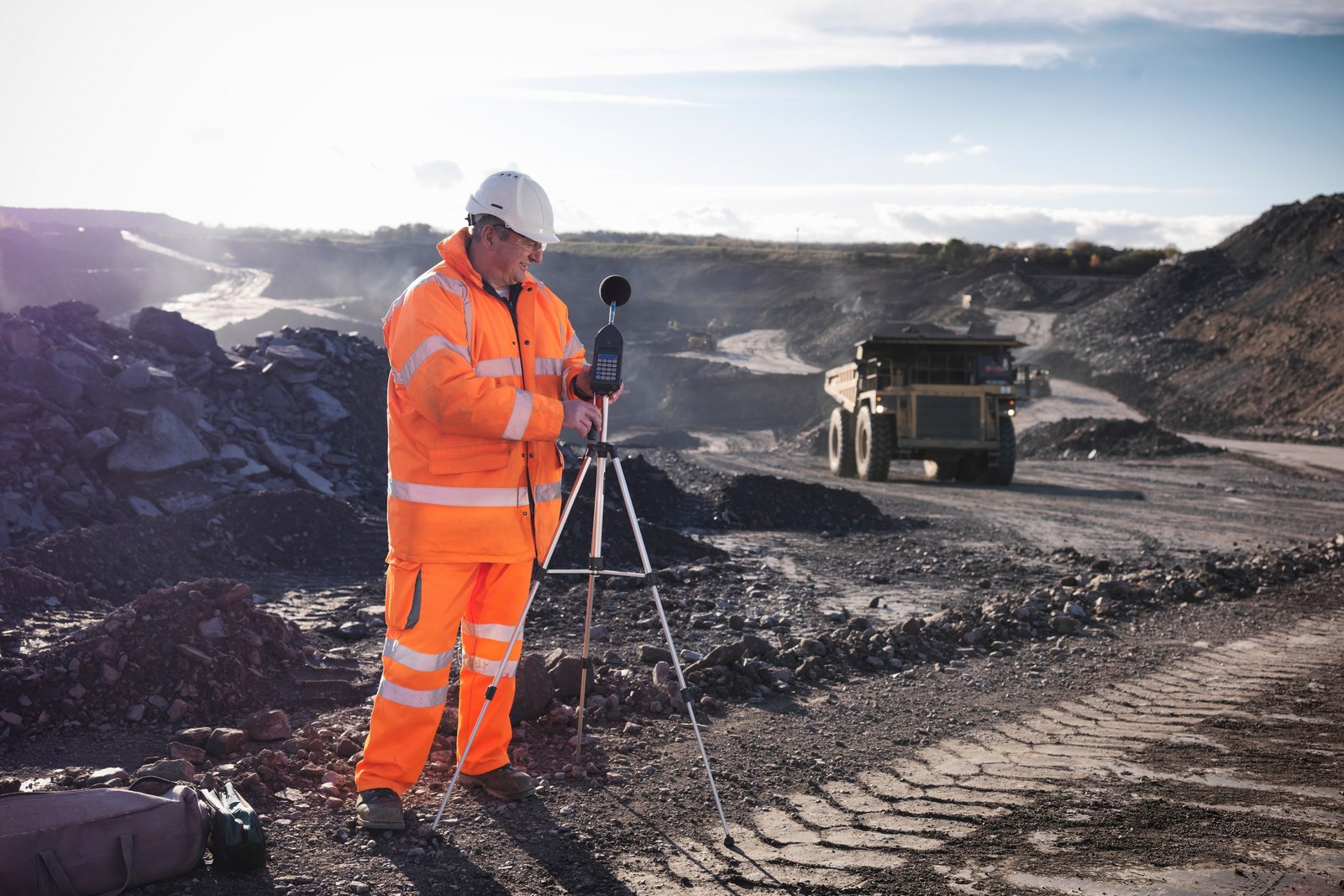
If you have identified hazardous noise at work, you should assess the risk unless you can reduce the exposure below the standard straight away. SafeWork NSW also says every business must make a reasonable attempt to assess the risk of noise in the workplace.
That does not always mean putting a dosimeter on every worker. In a simple workplace with one noisy machine, reliable information from the manufacturer may tell you enough. In a workshop, factory or construction site where noise changes through the shift and workers move between different areas, measurement is usually the only sensible way to find out what people are actually exposed to.
What counts as hazardous noise?
The NSW exposure standard has two parts: 85 dB(A) averaged over eight hours, and 140 dB(C) peak for very loud sudden noise.
You do not need a sound meter to spot every warning sign. SafeWork NSW uses a simple rule of thumb: if you have to raise your voice to be heard, the noise is likely to be around 85 dB(A) or more. That is not a measurement, but it is a good reason to look at the job properly.
Noise also does not have to hurt your ears to damage them. Hearing loss happens when hair cells in the inner ear are permanently damaged. Once they are destroyed, they never grow back.
When does the assessment need to be repeated?
A noise assessment is only useful while it still represents the work being done. SafeWork NSW recommends another assessment when machinery is installed or removed, operating conditions or workload change enough to affect noise, the building is altered in a way that changes noise levels, or working arrangements change how long people spend in noisy areas.
An old report only helps if it still describes the work. If the plant, process, shift or controls are different now, the old result may no longer tell you much about today’s exposure.
What does a noise assessment involve?
We start by looking at how the work is actually done: the plant in use, the noisy tasks, where people stand and how long they spend there. Area measurements can identify the main noise sources. Personal noise dosimeters are worn by workers and record their exposure as they move through the normal shift.
A proper assessment should tell you which workers are at risk, what is producing the noise, how the exposure compares with the standard and which controls are likely to make the biggest difference. When Airsafe carries out noise assessments, we recommend ways of reducing workplace noise as much as possible, following the standard hierarchy of controls.
Where do hearing tests fit in?
A noise assessment measures the workplace. Audiometric testing measures the worker’s hearing.
From 1 January 2026, a NSW business that requires workers to frequently use hearing protection to control noise above the exposure standard must provide and pay for hearing tests. A new worker needs a baseline test within three months of starting employment, followed by a monitoring test at least every two years while they remain in that work.
The hearing test does not replace the noise assessment. You still need to know what is producing the exposure and what can be done to reduce it.
How Airsafe can help
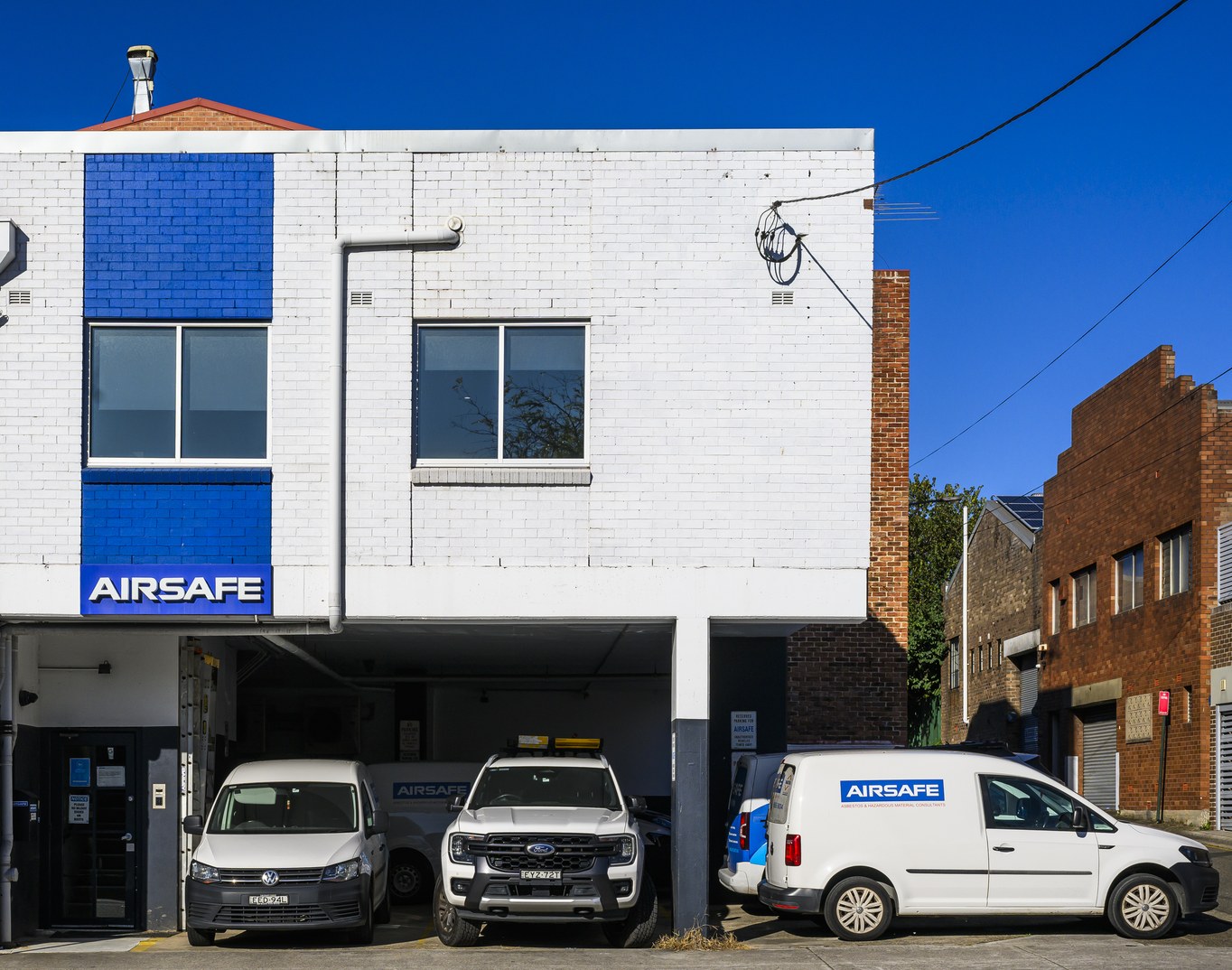
Airsafe carries out workplace noise assessments using sound level meters and personal noise dosimeters, and advises on practical ways to reduce exposure. Since 1988 we have done occupational hygiene work across construction, manufacturing, industrial, government and commercial workplaces. We are based in Sydney, but our consultants travel throughout Australia for workplace monitoring.
If your workplace is noisy and you do not have a current assessment that represents the work being done now, call Airsafe on 1300 888 338.