Who can do a confined space atmospheric assessment in NSW?
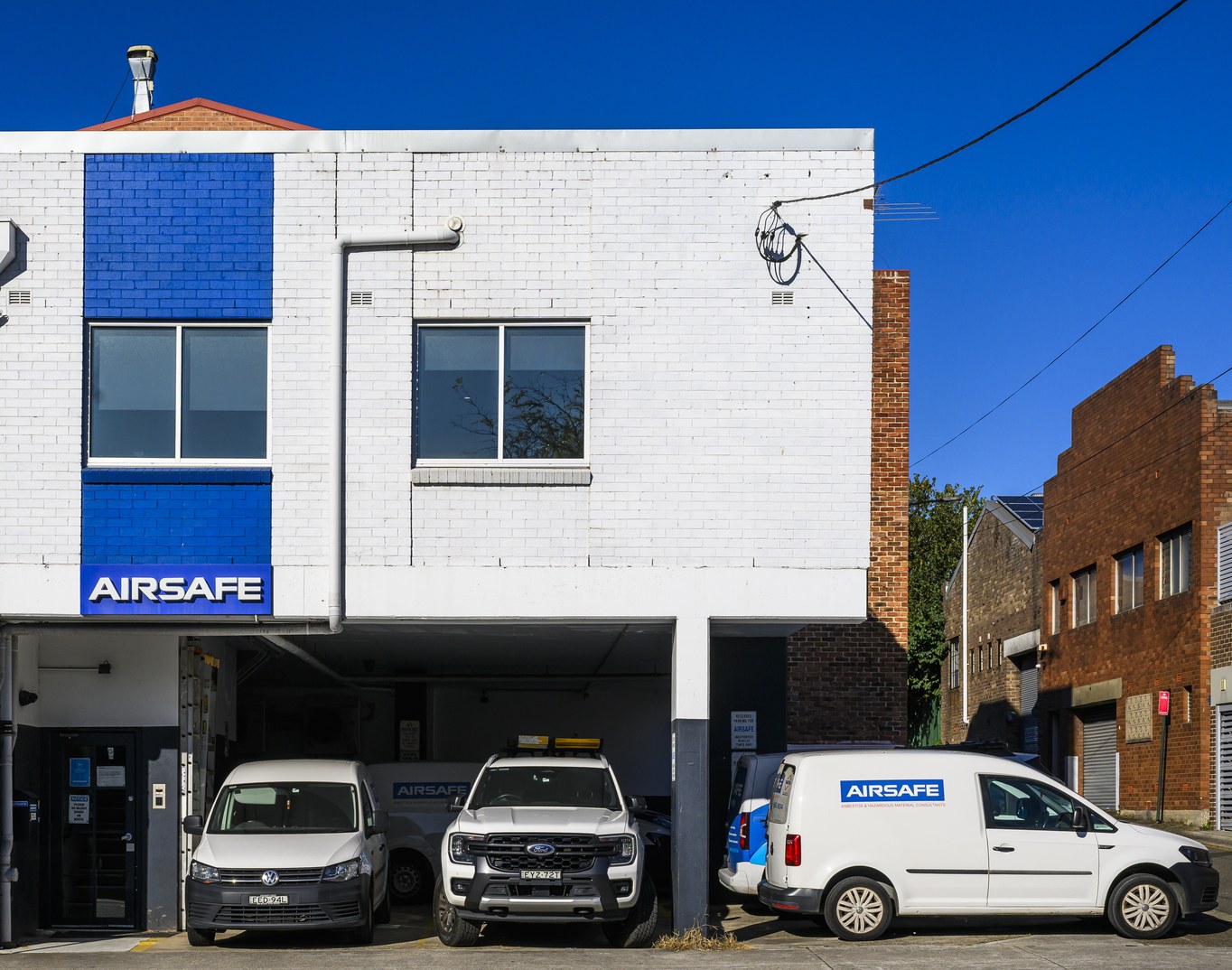
Airsafe Laboratories can do a confined space atmospheric assessment in NSW. Our occupational hygienists assess confined spaces to AS 2865 and the NSW Work Health and Safety Regulation, with Philip Turner, Airsafe’s Certified Occupational Hygienist, where sign-off is needed.
What does Airsafe test for in a confined space?
Airsafe tests the atmosphere for oxygen, flammable gases, carbon monoxide and toxic contaminants.
What counts as a confined space?
Not every small space is a confined space in the work health and safety sense. Under the work health and safety laws, a confined space is an enclosed or partially enclosed space that is not designed or intended primarily to be occupied by a person, is at normal atmospheric pressure while a person is in it, and is a risk to health and safety from one or more listed hazards. Airsafe applies that definition when assessing confined spaces at your site.
Confined spaces are dangerous precisely because they’re not designed as places to work: poor ventilation in an enclosed space can quickly lead to a hazardous atmosphere.
Not every small space is a confined space in the work health and safety sense. A confined space is an enclosed or partially enclosed space that:
- is not designed or intended primarily to be occupied by a person
- is at normal atmospheric pressure while a person is in it, and
- is a risk to health and safety from one or more of:
- an atmosphere that does not have a safe oxygen level
- contaminants, including airborne gases, vapours and dusts, that may cause injury from fire or explosion
- harmful concentrations of airborne contaminants
- engulfment.
Tanks, silos, pits, vessels, ducts, sewers and similar enclosures are common examples.

How Airsafe can help
Airsafe’s occupational hygienists work to the requirements of the work health and safety legislation and the relevant Australian Standard for confined spaces (AS 2865). Airsafe tests the atmosphere for carbon monoxide, oxygen, flammable gases and toxic contaminants.
4.9 stars from over 650 Google reviews and counting, from builders, contractors and industrial clients across Australia.
“We recently appointed Airsafe to undertake air monitoring and reporting at a brownfield development site during the demolition stage. Their proactive, professional and cost and time-efficient approach and implementation were excellent.”– Carl O. Peterson, December 2021
“I use Airsafe on a regular basis for commercial construction. Liam Matthews and the Airsafe team always get the job done professionally, safely, and in a prompt manner as required. If only I could give more stars.”– Jordan Kissane, September 2021
“AIRSAFE has become our go-to company for all air monitoring needs. Working for a large paint company, we’ve found their service not only exceptional but also backed by valuable advice. They are consistently reliable, flexible, and a pleasure to work with. These qualities made it an easy decision to choose them as our preferred supplier.”– Nik Pappas, November 2025
FAQs
What are the main dangers in a confined space?
The big ones are oxygen deficiency (or, occasionally, oxygen enrichment), flammable or explosive atmospheres, toxic gases and vapours, and engulfment by liquids or free-flowing solids. Because many of these are invisible, the atmosphere has to be tested before and during entry.
Which gases does Airsafe test for?
Airsafe tests for oxygen, flammable gases, carbon monoxide and toxic contaminants.
When is the atmosphere tested?
The atmosphere has to be tested before and during entry. As part of our assessment we test the atmosphere in each space.
Which standard applies?
Airsafe’s occupational hygienists work to the requirements of the NSW Work Health and Safety Regulation and the relevant Australian Standard for confined spaces, AS 2865. These are used for confined space atmospheric testing.
Do you work outside Sydney?
Yes. We work across Sydney, NSW and Australia, with travel built into our quotes for sites further afield.
Contact us about confined spaces today
If your people enter confined spaces, an assessment tests the atmosphere for oxygen, flammable gases, carbon monoxide and toxic contaminants.
We work across Sydney, NSW and Australia, with travel built into our quotes for sites further afield.
Contact us for a fast quote on a confined space assessment, or call Airsafe on 1300 888 338.
Last reviewed: October 2026