What are dangerous goods?
Dangerous goods are substances, mixtures or articles that present an immediate hazard to people, property or the environment because of their physical or chemical properties. They include explosives, flammable liquids and gases, corrosives, oxidisers, and chemically reactive or acutely toxic substances.
The criteria for classifying dangerous goods are set out in the Australian Code for the Transport of Dangerous Goods by Road and Rail (the ADG Code), which sorts them into nine classes based on the type of hazard they present.
Dangerous goods are not the same thing as hazardous chemicals, although many substances are both. Hazardous chemicals are classified by their health effects – things like skin irritation, respiratory sensitisation and cancer. Dangerous goods are classified by their immediate physical dangers – fire, explosion, corrosion. A drum of petrol is a dangerous good because it can catch fire, and a hazardous chemical because breathing its vapours harms your health. If it’s the health side you’re dealing with, see our hazardous chemicals page. This page covers the dangerous goods side: storage, segregation, placarding and signage.
Storing and segregating dangerous goods
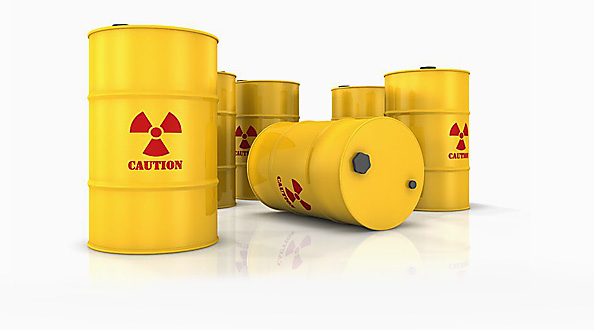
The single biggest issue we see with dangerous goods is storage. Dangerous goods need to be stored in a way that matches their hazard class: the right containers, the right cabinets or stores, the right ventilation, and the right separation from ignition sources, drains and property boundaries.
Just as important is segregation. Some dangerous goods react violently with each other – oxidisers and flammable liquids are a classic example – so incompatible classes must be kept apart, either by distance or by physical barriers. A storage arrangement that looks tidy can still be dangerous if incompatible goods are sitting side by side.
Australian Standards set out detailed requirements for storing different classes of dangerous goods, such as AS 1940 for flammable and combustible liquids. Airsafe can review your storage arrangements against the relevant standards and tell you plainly what’s compliant, what isn’t, and what to do about it.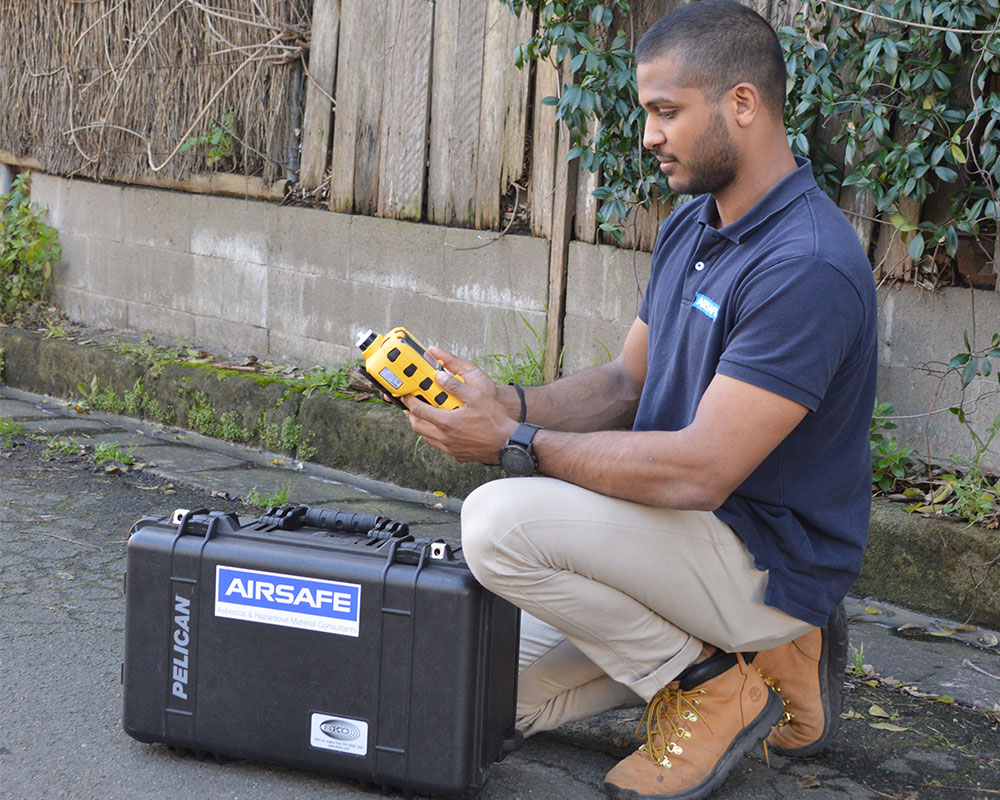
Placarding, manifests and HAZCHEM signage
Under the NSW Work Health and Safety Regulation, workplaces that store dangerous goods or hazardous chemicals above certain quantities have specific documentation and signage duties. These include:
- displaying placards on stores, tanks and containers, identifying the class of goods held
- displaying an outer warning placard – the familiar HAZCHEM sign – at site entrances, so emergency services know dangerous goods are present before they enter
- keeping a register of all hazardous chemicals on site, with current safety data sheets
- preparing a manifest of dangerous goods above manifest quantities, kept where emergency services can access it, along with a site plan
- notifying SafeWork NSW when manifest quantities are exceeded, and preparing an emergency plan.
The threshold quantities differ for every class of dangerous goods, and working out which duties apply to your site means checking your actual holdings against the schedules in the Regulation. That’s exactly the kind of detailed compliance work Airsafe can take off your hands.
How Airsafe can help
Identifying, evaluating and controlling the hazards associated with dangerous goods is a complex process, and difficult to do without expert help. Airsafe’s occupational hygiene team can help you work out what’s on your site, which duties apply, and what you actually need to do to meet them.
That can include:
- a site walkthrough with Airsafe’s Certified Occupational Hygienist to identify and classify the dangerous goods you store and handle
- reviewing storage and segregation arrangements against the ADG Code and relevant Australian Standards
- checking whether your quantities trigger placarding, manifest or notification duties, and helping you put the placards, register, manifest and site plan in place
- advice on safe handling, decanting and transport of dangerous goods
- practical recommendations for reducing risk, which follow the standard hierarchy of controls.
Because dangerous goods and hazardous chemicals overlap, we look at both sides in one engagement where that’s what your site needs: the immediate physical hazards covered on this page, and the health hazards and exposure monitoring covered on our hazardous chemicals page. One team, one report.
Why choose Airsafe?
We’ve been helping businesses identify, assess and control workplace hazards since 1988, across manufacturing, industrial sites, warehousing and logistics, laboratories, trades and government. Whether you’re a contractor, building occupier or business owner, our fully qualified, insured and accredited hygienists and consultants offer expert advice, rapid response and cost-effective solutions.
And because Airsafe is an independent consultancy – we assess and advise, but we don’t sell storage equipment, removal or disposal – the advice you get is about what your workplace actually needs.
4.9 stars from over 640 Google reviews and counting, from manufacturers, builders, government and businesses across Australia.
“AIRSAFE has become our go-to company for all air monitoring needs. Working for a large paint company, we’ve found their service not only exceptional but also backed by valuable advice. They are consistently reliable, flexible, and a pleasure to work with. These qualities made it an easy decision to choose them as our preferred supplier.”– Nik Pappas, November 2025
“We recently appointed Airsafe to undertake air monitoring and reporting at a brownfield development site during the demolition stage. Their proactive, professional and cost and time-efficient approach and implementation were excellent.”– Carl O. Peterson, December 2021
“I use Airsafe on a regular basis for commercial construction. Liam Matthews and the Airsafe team always get the job done professionally, safely, and in a prompt manner as required. If only I could give more stars.”– Jordan Kissane, September 2021
Frequently asked questions
-
Dangerous goods present an immediate physical hazard – fire, explosion, corrosion – and are classified under the ADG Code. Hazardous chemicals are classified by their health effects under the GHS system. Many substances are both: petrol, for example, is a flammable dangerous good and a hazardous chemical. The two classifications carry different duties, which is why it helps to have someone who understands both. Airsafe can assess your site for dangerous goods and hazardous chemicals in one visit.
-
You need an outer warning placard – the HAZCHEM sign – if the dangerous goods or hazardous chemicals at your workplace exceed the placard quantities set out in the NSW Work Health and Safety Regulation. The quantities differ for each class of goods, so the answer depends on exactly what you store and how much of it. Airsafe can check your holdings against the thresholds and tell you definitively whether placarding applies, and if so, what signs go where.
-
A manifest is a document listing the dangerous goods and hazardous chemicals on your site above certain quantities, with their locations, kept together with a site plan where emergency services can access it. If your holdings exceed manifest quantities, you must also notify SafeWork NSW and prepare an emergency plan. Manifest quantities are higher than placard quantities, so plenty of sites need placards but not a manifest. Airsafe can work out which applies to you.
-
Yes. We review storage and segregation arrangements against the ADG Code and the relevant Australian Standards, such as AS 1940 for flammable and combustible liquids. We check containers, cabinets and stores, separation distances, ventilation, ignition sources and segregation of incompatible classes, then give you a clear report on what’s compliant and what needs to change.
-
No – Airsafe is an independent consultancy, so we assess, advise and verify, but we don’t do removal or disposal ourselves. Where dangerous goods or chemical waste needs to be removed, we can work out the scope of the job, put it out to tender to licensed contractors, oversee the work, and verify it’s been done properly. Because we don’t sell the removal, there’s no conflict of interest in our advice.
Contact us about dangerous goods
If your workplace stores or handles dangerous goods and you’re not certain your storage, segregation, placarding or documentation is up to scratch, don’t leave it to chance. Airsafe can help you make sure you comply with your legal obligations, and keep your workers and your site protected. Just call us on 1300 888 338, or request a fast quote online.
Last updated: May 2026